
Antenna TV Guide Lubbock, TX: A Comprehensive Overview (as of 04/16/2026)
As of today, April 16, 2026, Lubbock, Texas residents have access to numerous over-the-air (OTA) channels via digital antennas.
This guide provides a current snapshot of available programming,
considering transmitter locations and potential signal strengths within the city.
Understanding Over-the-Air (OTA) TV in Lubbock
Over-the-Air (OTA) television represents a fantastic, free alternative to traditional cable or satellite subscriptions for Lubbock residents. Utilizing a digital antenna, households can receive high-definition broadcasts of local channels, and often, a surprising array of national networks. This method relies on signals transmitted from broadcast towers, making signal strength and antenna placement crucial for optimal viewing.
Unlike subscription services, OTA TV doesn’t incur monthly fees, offering significant cost savings. However, channel availability is dependent on your location relative to the transmitters and potential obstructions. The digital transition years ago significantly improved picture and sound quality compared to analog broadcasts.
Lubbock’s unique terrain, as well as factors like building materials and weather conditions, can impact reception. Understanding these elements is key to maximizing your OTA experience. Resources like transmitter maps (available online) can help pinpoint tower locations and predict signal strength in your specific neighborhood. Furthermore, periodic channel rescans are necessary to ensure your TV receives the latest channel lineup and updates.
Available Digital TV Channels in Lubbock, TX
As of April 16, 2026, Lubbock, TX viewers utilizing OTA antennas can generally access a diverse selection of digital channels. Major networks like ABC (Channel 28), CBS (Channel 7), NBC (Channel 5), and FOX (Channel 34) are typically available, offering local news, prime-time programming, and live sports. PBS stations, providing educational and cultural content, are also accessible.
Beyond the core networks, several subchannels, often affiliated with networks like MeTV, Cozi TV, and This TV, expand viewing options with classic shows, movies, and lifestyle programming. Spanish-language channels, such as Univision and Telemundo, cater to the local Hispanic community. The exact channel lineup can vary based on antenna quality, location, and signal propagation.
It’s important to note that channel availability is subject to change. Regular channel rescans are vital to ensure your TV receives the most up-to-date listing. Online resources and TV signal locator websites provide detailed channel maps and reception predictions for specific Lubbock addresses, aiding in optimizing your antenna setup.
Channel Frequency and Transmitter Locations

As of April 16, 2026, understanding channel frequencies and transmitter locations is crucial for optimal OTA reception in Lubbock, TX. VHF channels (2-13) operate on lower frequencies and generally travel further, while UHF channels (14-51) have shorter ranges but are less susceptible to interference.

Key Lubbock transmitters are situated primarily to the north and east of the city. KCBD (Channel 11), KLBK (Channel 13), and KFYO (Channel 28) have established tower locations influencing signal strength across different areas. Precise frequencies vary, but fall within their respective channel allocations; For example, Channel 7 (CBS) operates on a specific UHF frequency.
Online resources, including antenna maps and the FCC’s DTV Reception Maps, provide detailed transmitter coordinates and signal coverage predictions. These tools are invaluable for determining the optimal antenna direction and type. Signal strength can be affected by distance from the transmitter, terrain, and obstructions like buildings and trees. Accurate location data is essential for maximizing channel reception.
Antenna Types for Lubbock Reception
For Lubbock, TX, selecting the right antenna type is paramount for reliable OTA reception. Dipole antennas, often used for VHF signals, are a basic option, though less effective for UHF channels prevalent today. Yagi-Uda antennas offer higher gain and directionality, ideal for targeting specific transmitter locations, particularly useful given Lubbock’s terrain.
Multi-directional antennas are suitable for viewers receiving signals from multiple directions, but may compromise signal strength. Log-periodic antennas provide broad bandwidth, covering both VHF and UHF frequencies effectively. Digital antennas are specifically designed to receive digital signals, offering improved clarity and reduced interference.
The choice depends on distance from transmitters and signal strength. Residents further from towers benefit from high-gain antennas. Consider an amplified antenna to boost weak signals, but be mindful of potential noise introduction. AntennaWeb and other online tools can recommend suitable antenna types based on your specific location and desired channels.
Indoor vs. Outdoor Antennas: Which is Best?
The optimal antenna location – indoor or outdoor – for Lubbock, TX, hinges on several factors. Indoor antennas are convenient and require no installation expertise, making them ideal for urban areas with strong signals. However, their performance is limited by building materials and distance from transmitters. Expect reduced channel reception compared to outdoor options.
Outdoor antennas, mounted on roofs or masts, offer superior signal reception due to unobstructed access to broadcast signals. They are crucial for rural areas or locations with weak indoor signals. However, installation can be complex and may require professional assistance. Weather exposure is also a consideration;
Lubbock’s terrain can impact signal propagation, potentially favoring outdoor antennas. If you experience frequent signal drops or limited channel availability with an indoor antenna, an outdoor antenna is likely the better choice. Consider a directional outdoor antenna to target specific transmitter locations for optimal results.
Factors Affecting Signal Strength in Lubbock
Several elements influence over-the-air (OTA) signal strength in Lubbock, TX. Distance from broadcast towers is paramount; the further you are, the weaker the signal. Obstructions like trees, buildings, and even hills can block or weaken signals, creating “shadow zones.” Atmospheric conditions, including rain and temperature inversions, can also temporarily affect reception.
Lubbock’s relatively flat terrain generally aids signal propagation, but localized obstructions still matter. Interference from other electronic devices, though less common with digital signals, can occasionally disrupt reception. Antenna height plays a crucial role; higher placement generally improves signal capture.
The type of antenna used significantly impacts signal strength. Directional antennas focus on specific towers, maximizing signal from that direction, while omnidirectional antennas receive signals from all directions, but with potentially lower strength. Finally, cable quality connecting the antenna to your TV can also affect signal integrity.
Lubbock Terrain and its Impact on Reception
Lubbock’s geography is characterized by a high plains landscape, generally flat with gradual elevation changes. This relatively open terrain is favorable for over-the-air (OTA) television signal propagation compared to areas with significant hills or mountains. Signals can travel further with fewer obstructions, potentially offering wider coverage areas.
However, the terrain isn’t perfectly uniform. Subtle dips and rises, coupled with the presence of buildings and trees within the city, can create localized signal shadows. Caprock Canyon, while outside the immediate city limits, can influence signal paths for those on the western periphery of Lubbock.
Soil composition can also play a minor role, as certain types of soil absorb or reflect radio waves differently. Wind erosion can create small dunes or drifts that may temporarily obstruct signals. Despite these minor factors, Lubbock’s overall flat terrain generally supports good OTA reception, making it easier to receive signals from distant broadcast towers.
Recommended Antenna Brands for Lubbock
For Lubbock residents seeking reliable OTA reception, several antenna brands consistently receive positive reviews. Winegard is a well-respected name, known for its durable construction and long-range capabilities, particularly the Elite series. Channel Master offers a broad range of options, from affordable indoor antennas to powerful outdoor models like the CM-3020, suitable for fringe reception.

Antennas Direct specializes in high-performance antennas, with the ClearStream line being a popular choice for maximizing signal capture. Their antennas are designed for both indoor and outdoor use. Mohu provides sleek, compact indoor antennas ideal for urban environments and those seeking a discreet solution.
Televes is a professional-grade brand often favored by installers, offering robust antennas with excellent performance. When selecting a brand, consider your distance from broadcast towers, desired channel lineup, and whether you prefer an indoor or outdoor setup. Researching specific models within these brands will ensure optimal reception in Lubbock’s unique broadcast landscape.
Antenna Installation Tips for Lubbock Residents
Successfully installing an antenna in Lubbock requires careful planning. First, determine the direction of the broadcast towers using online resources like AntennaWeb. Mount outdoor antennas as high as possible, ideally on the roof, to clear obstructions. Securely fasten the antenna to prevent movement from wind, utilizing appropriate mounting hardware.
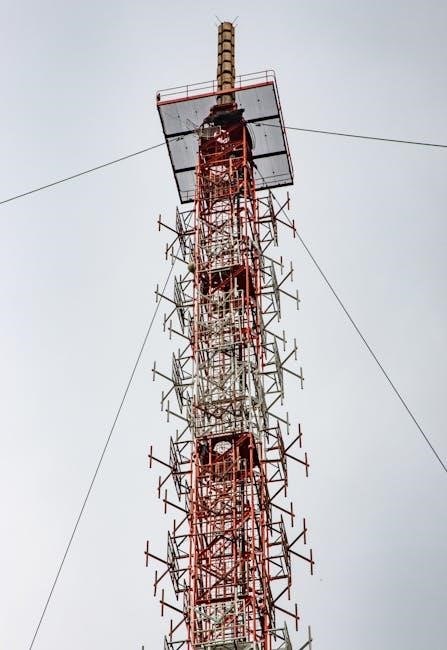
Use coaxial cable (RG6) for connecting the antenna to your TV, minimizing signal loss. Ensure all connections are tight and weatherproofed. Ground the antenna properly to protect against lightning strikes – this is crucial for safety. For indoor antennas, experiment with placement near windows, avoiding metal objects that can interfere with the signal.
Regularly inspect outdoor antennas for damage or corrosion. Consider professional installation if you’re uncomfortable working at heights or with electrical connections. A proper installation will maximize your channel reception and ensure a stable, reliable viewing experience in Lubbock.
Troubleshooting Common Reception Problems
Experiencing signal issues with your Lubbock antenna? Start with a channel rescan – TVs often need updating after antenna adjustments or atmospheric changes. Check all cable connections, ensuring they are tight and corrosion-free. Interference from metallic objects or electronic devices can weaken signals; relocate your antenna or TV accordingly.
If reception is intermittent, consider antenna height or direction. Obstructions like trees or buildings can block signals. Try a different coaxial cable to rule out cable damage. Weather conditions, particularly heavy rain or storms, can temporarily affect signal strength.
Pixelation or freezing often indicates a weak signal. Experiment with antenna positioning or consider an amplifier. Consult online forums or local resources for Lubbock-specific reception challenges. If problems persist, professional antenna installation assistance may be necessary to diagnose and resolve complex issues.
Channel Rescan Procedures

Regular channel rescans are crucial for optimal OTA TV reception in Lubbock. To initiate a rescan, navigate to the “Menu” or “Settings” section of your TV. Locate the “Channel Scan,” “Auto Program,” or similarly named option. Select “Antenna” or “Air” as the source.
The TV will automatically search for available digital channels. This process can take several minutes. Avoid interrupting the scan. After completion, the TV will save the newly discovered channels. If some channels are missing, repeat the scan. Ensure your antenna is properly connected and positioned during the process.
Different TV brands may have slightly varying menu structures. Consult your TV’s manual for specific instructions. Rescan after any antenna adjustment, weather event, or reported channel changes. Performing a rescan ensures you receive the most up-to-date channel lineup available in the Lubbock area.
Local TV Provider Alternatives in Lubbock
Beyond traditional cable and satellite, Lubbock residents have several alternatives for television access. Spectrum is a prominent provider offering cable TV packages, internet, and phone services. AT&T U-verse provides fiber optic-based TV and internet, known for its reliability. Suddenlink Communications (now Altice) also serves parts of Lubbock with cable TV and internet options.
These providers offer tiered packages with varying channel lineups and pricing. However, costs can be substantial, often exceeding the initial investment in an OTA antenna setup. Consider bundling options for potential discounts. Compare channel selections and contract terms carefully before committing to a service.
For cord-cutters, streaming services present a viable alternative (discussed further in a separate section). Local providers offer a familiar experience but often lack the flexibility and cost-effectiveness of OTA TV combined with streaming; Evaluate your viewing habits and budget to determine the best solution.
Streaming Services as a Supplement to OTA TV

While OTA TV provides a robust base of free-to-air channels, streaming services effectively fill the gaps in programming. Services like Netflix, Hulu, Disney+, and Paramount+ offer extensive on-demand libraries of movies and TV shows, often including original content unavailable elsewhere. YouTube TV and Sling TV provide live TV streaming packages, mimicking traditional cable but with greater flexibility.
Combining OTA TV with streaming creates a comprehensive entertainment solution. Enjoy local news, sports, and network programming via antenna, then supplement with streaming for specialized content. This hybrid approach often proves more cost-effective than relying solely on a cable or satellite provider.
Internet connectivity is crucial for streaming (see the section on Lubbock internet providers). Ensure your internet plan offers sufficient bandwidth to support your streaming habits. Consider rotating subscriptions to different streaming services to maximize value and access a wider range of content without overspending.
The History of Television Broadcasting in Lubbock, TX
Television arrived in Lubbock during the mid-20th century, mirroring the national expansion of the medium. Early broadcasting was characterized by limited channels and black-and-white programming. Local stations emerged, serving as vital sources of news, entertainment, and community information for the South Plains region.
Texas Tech University played a significant role in the development of local media, fostering journalism programs and providing a platform for broadcasting experimentation. The university’s presence contributed to a growing media landscape, attracting talent and investment.
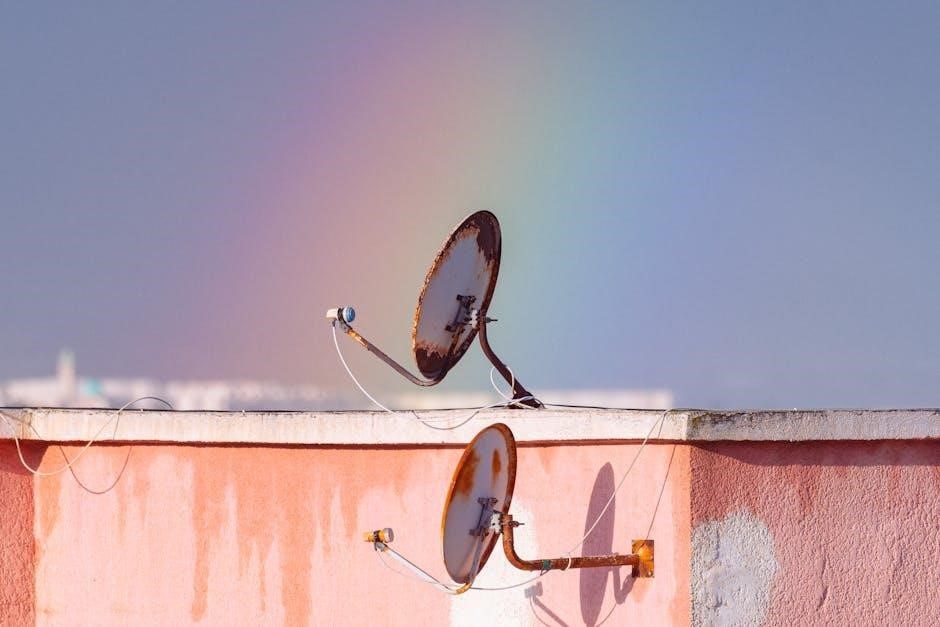
The transition to color television in the 1960s and 70s marked a significant upgrade, enhancing the viewing experience. Later, the digital television transition in the 2000s brought improved picture quality and the potential for multiple channels via digital sub-channels. Today, Lubbock’s broadcasting history continues to evolve with the rise of streaming and on-demand content, yet OTA TV remains a relevant option.
Texas Tech University and Local Media
Texas Tech University’s influence on Lubbock’s media landscape is profound and longstanding. The university’s College of Media & Communication has consistently produced skilled journalists, broadcasters, and media professionals who have contributed to local television and radio stations. This pipeline of talent has been crucial for maintaining a vibrant local news ecosystem.
Beyond personnel, Texas Tech provides facilities and resources that support local media initiatives. University-affiliated broadcasting stations offer valuable training grounds for students and serve as community outlets for information. The university’s research in communication technologies also impacts the evolution of broadcasting in the region.

Furthermore, Texas Tech’s cultural events and athletic programs generate significant local media coverage, creating a symbiotic relationship between the university and local news organizations. This interconnectedness ensures that the university remains a central focus of local media attention, benefiting both institutions and the Lubbock community.
Metallica and Local Real Estate (Relevance to Lubbock Culture)
While seemingly disparate, the 2020 sale of a Metallica drummer’s mansion in the San Francisco Bay Area subtly reflects aspects of Lubbock’s cultural identity and real estate trends. The high-profile sale, reaching $10.3 million, highlights the value placed on unique properties and lifestyle amenities – factors increasingly relevant in Lubbock’s evolving housing market.
Lubbock, though distinct from the Bay Area, experiences its own demand for desirable residences. The city’s growth, fueled by Texas Tech University and a diversifying economy, drives interest in quality housing. Like the drummer’s estate, properties offering space, privacy, and unique features command premium prices.
Metallica’s enduring popularity also resonates within Lubbock’s cultural scene. Concerts and music festivals draw significant crowds, demonstrating a strong appetite for entertainment. This cultural vibrancy contributes to Lubbock’s appeal as a place to live, indirectly influencing real estate demand and the desire for homes suited to an active lifestyle.
Radio Stations Broadcasting in Lubbock, TX (Related Media Landscape)
Lubbock’s robust radio broadcasting scene provides a complementary media landscape to over-the-air television. A documented list exists detailing radio stations airing the Alex Jones Show, including call letters, frequencies, locations, market reach, wattage, and broadcast times – illustrating the diversity of programming available.
This radio presence signifies a continued demand for live, localized content, even with the rise of streaming and on-demand services. Radio stations often serve as vital sources of local news, weather updates, and community information, mirroring the role OTA TV plays in delivering immediate broadcasts.
The interconnectedness between radio and television is further emphasized by shared advertising markets and audience demographics. Both mediums compete for listener/viewer attention, yet also frequently collaborate on promotional efforts. Understanding Lubbock’s radio landscape provides context for the overall media consumption habits of residents, influencing how they access and engage with OTA television programming.
Internet Providers and IP Addresses in Lubbock (Connectivity Context)
Lubbock’s internet infrastructure significantly impacts how residents supplement or replace traditional over-the-air (OTA) television. A comprehensive list of internet providers and their associated IP address ranges is readily available, detailing the connectivity options within the city.
The prevalence of broadband internet access allows Lubbock viewers to stream content from various services, offering alternatives to OTA broadcasts. This digital landscape influences viewing habits, with many households utilizing a combination of antenna TV and streaming platforms.
Understanding IP address allocation reveals the network capacity and potential for service reliability, factors that directly affect streaming quality. Reliable internet is crucial for cord-cutters relying on streaming as a primary source of entertainment. The availability of high-speed internet in Lubbock shapes the demand for, and accessibility of, OTA television as a viable viewing option.