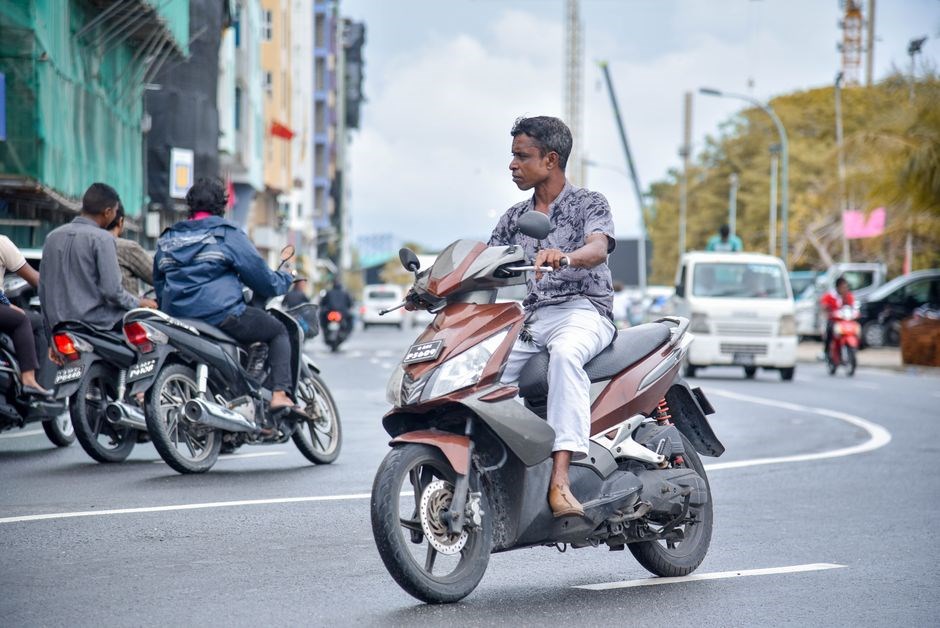
Since 1 Jan 1988, anyone born after that date must hold an AM licence to operate cyclomoteur. The AM licence replaces old BSR covers vehicles up to 50 cc and 45 km/h. Those under 14 ride 50 cc, 45 km/h vehicle without a licence .
Legal Age and Eligibility
To legally drive a cyclomoteur in France, the holder must meet specific age and eligibility criteria. The AM licence, introduced in 2013, replaces the former Brevet de Sécurité Routière (BSR). Anyone born on or after 1 January 1988 must possess an AM licence to operate a vehicle with an engine capacity of 50 cc or less and a top speed not exceeding 45 km/h. For those born before that date, the BSR remains valid, but the AM licence is still required for new applicants. The minimum age to obtain an AM licence is 14 years. However, individuals aged 16 years or older can drive a cyclomoteur without a licence if the vehicle meets the 50 cc and 45 km/h limits. In addition, the licence is mandatory for any driver who wishes to use a vehicle classified as a “voiturette” or any motorised scooter that exceeds the 50 cc threshold. The eligibility also depends on health and vision requirements, which are assessed during the licence application process. Applicants must pass a theory test covering road rules, safety, and environmental regulations, followed by a practical test to demonstrate control over the vehicle. The licence is valid for 15 years, after which renewal is required. It is essential to keep the licence up to date to avoid penalties and ensure road safety for all users. For those seeking study materials, PDF guides and online resources provide lessons, quizzes, and updated regulations to aid exam prep for all learners today!
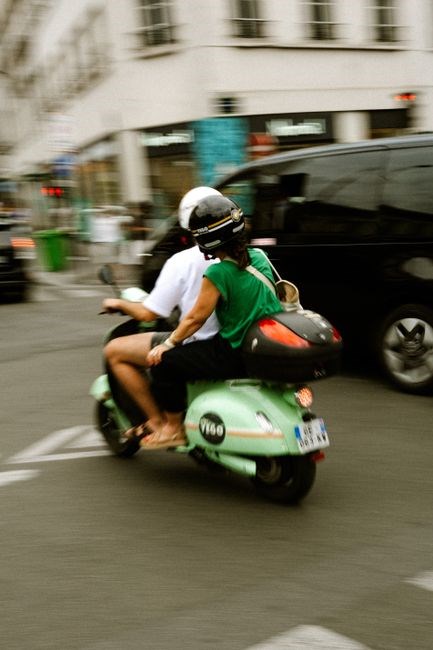
Types of Licenses: AM, BSR, and Others
The AM licence, introduced in 2013, is the current requirement for anyone born on or after 1 January 1988 who wishes to drive a cyclomoteur. It covers vehicles with an engine capacity of 50 cc or less and a maximum speed of 45 km/h. The older Brevet de Sécurité Routière (BSR) remains valid for applicants born before that date, but new applicants must still obtain an AM licence. The BSR also limits the vehicle to 50 cc and 45 km/h, but it is no longer issued to new drivers. In addition to AM and BSR, France issues other licences for larger vehicles: the B licence for cars, the C licence for heavy goods vehicles, and the D licence for buses. However, these licences are not applicable to cyclomoteurs. For riders who wish to operate a vehicle that exceeds 50 cc or 45 km/h, a different licence category is required, such as the A licence for motorcycles. The AM licence is valid for 15 years and can be renewed. It is important for prospective drivers to consult official PDF guides and online resources to understand the exact eligibility criteria and renewal process before attempting the theory and practical exams. For more detailed information, download the PDF, guide, which includes diagrams, safety tips, and regulations that must be followed by all cyclomoteur drivers in France. These resources are available for free on the government website!!
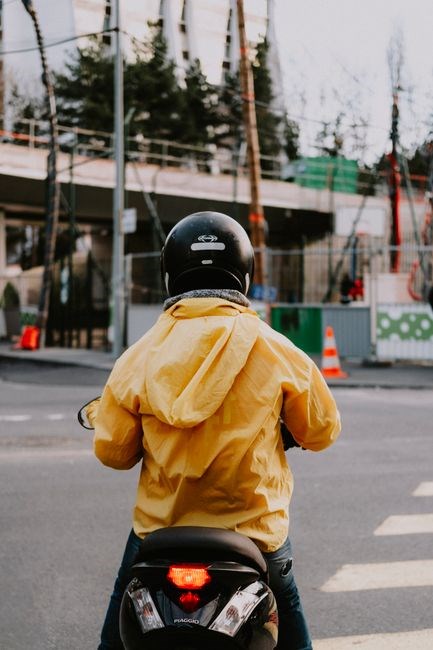
Technical Specifications of Cyclomoteurs
Cyclomoteurs are limited to 50 cc engines and 45 km/h top speed. They fall under the Mobylette, scooter, or similar lightweight categories. These restrictions ensure safety and compliance with the AM licence regulations in France. Roadside checks enforce these limits. Now 2026 France!
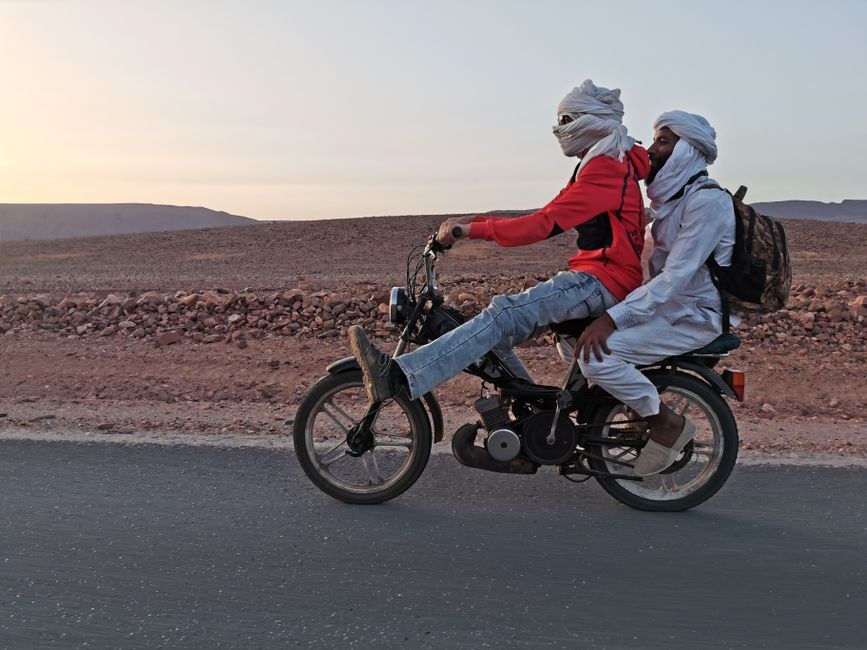
In France, the AM licence allows riders to drive cyclomoteurs with a maximum engine displacement of 50 cc. This restriction applies to all two‑stroke and four‑stroke engines, whether the vehicle is a classic Mobylette, a modern scooter, or a small electric motorbike. The 50 cc limit is defined in the 1998 EU directive on light motorised vehicles and was adopted by France in 2015 to match national safety standards. Vehicles that exceed 50 cc are classified as light motorbikes and require a B or A licence. The 50 cc rule keeps power output low enough that top speeds are capped at 45 km/h, a key safety measure for urban traffic. The PDF study guides for the AM test include a table of common 50 cc models, their power ratings in watts, and typical fuel consumption. Applicants should verify the engine capacity on the vehicle’s registration certificate (certificat d’immatriculation) and on the manufacturer’s stamped plate; mislabeling can lead to penalties or licence revocation. By adhering to the ≤50 cc rule, riders enjoy legal, low‑cost mobility while staying within the safety framework set by French law. The PDF guide also explains how to perform a quick displacement check by measuring the cylinder bore and stroke, who modify their scooters. In summary, the 50 cc engine limit is a cornerstone of the AM licensing system, balancing accessibility for young riders with road safety for all users.
Maximum Speed Restrictions (≤45 km/h)
In France, the AM licence imposes a strict maximum speed of 45 km/h on all cyclomoteurs. This limit is codified in the 1998 EU directive on light motorised vehicles and reinforced by national legislation to protect pedestrians and cyclists in urban environments. The 45 km/h threshold is enforced through a combination of mechanical restrictions—such as a speed limiter built into the engine control unit—and legal penalties for exceeding the limit. Riders must ensure that their vehicle’s speedometer is calibrated correctly; a mis‑reading can lead to unintentional violations. The PDF study guide for the AM test includes a section that explains how to test a scooter’s top speed using a GPS or smartphone app, and how to verify that the speed does not surpass 45 km/h under normal operating conditions. For electric cyclomoteurs, the maximum power output is also regulated to keep the top speed within the 45 km/h envelope. The speed restriction is particularly relevant for young riders, who are allowed to operate a 50 cc engine without a licence only if the vehicle’s speed does not exceed 45 km/h. Failure to comply can result in fines, suspension of the licence, or vehicle impoundment. Therefore, understanding and respecting the 45 km/h limit is essential for safe, legal, and responsible cyclomoteur use across France.
Remember, the 45 km/h limit applies to all cyclomoteurs, regardless of fuel type or modifications!!!
Vehicle Classification (Mobylette, Scooter, etc.)
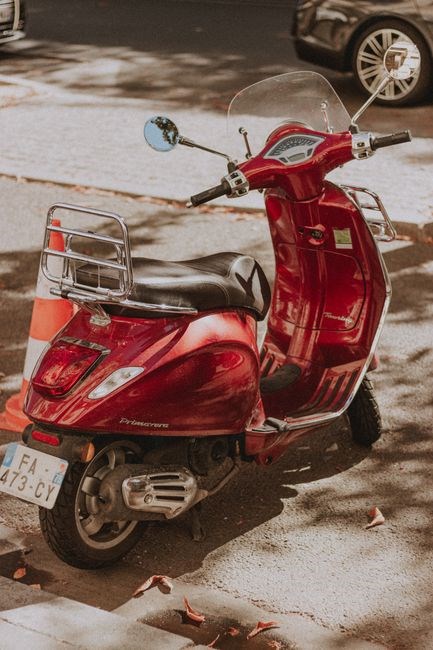
Under the AM licence, a cyclomoteur is defined as any motorised vehicle with an engine capacity not exceeding 50 cc, a maximum speed of 45 km/h, and a weight limit of 50 kg. Within this broad definition, the most common categories are the classic Mobylette, the modern scooter, and the small motorcycle. A Mobylette is typically a lightweight, two‑wheel vehicle with a simple frame and a single seat, often used for short urban commutes. Scooters share the same engine limits but usually feature a step‑through frame, a larger footboard, a storage compartment under the seat. Small motorcycles, sometimes called “mini‑motorcycles,” can also fall under the AM umbrella if they meet the 50 cc and 45 km/h criteria, though they may have a more robust chassis and a higher seat height. Each type is subject to the same licensing requirements, but the design differences affect handling, stability, and rider ergonomics. The PDF study guide for the AM test contains diagrams that illustrate the distinguishing features of each category, helping candidates recognise the vehicle they will be driving. Understanding these classifications is essential for selecting the correct training course and ensuring compliance with French road regulations. Learners should also review official PDF manual, which offers practice very quizzes, safety tips, and a glossary of key terms to reinforce understanding before taking test!
Training and Examination Requirements
To obtain an AM licence, candidates must complete a the test covering roadrules, traffic signs, and safety. A practical driving exam follows, assessing manoeuvres, parking, road navigation. Training courses provide structured lessons.
Mandatory Theory Tests
The AM licence theory exam is a mandatory written test that evaluates a candidate’s knowledge of French traffic laws, road signs, and safety regulations specific to cyclomoteur operation. The test consists of 30 multiple‑choice questions, each with four possible answers. Candidates must achieve a minimum score of 25 correct answers (≈83%) to pass. The exam covers topics such as:
- Road rules and right‑of‑way priorities for 50 cc vehicles.
- Interpretation of traffic signs, signals, and road markings.
- Basic vehicle maintenance and safety checks.
- Environmental and noise regulations for low‑speed vehicles.
- First‑aid procedures and emergency response;
Preparation materials are available in PDF format from the official French motor‑vehicle authority website. These PDFs include practice questions, explanatory notes, and updated legislation. Candidates can also download mobile apps that simulate the exam environment, offering timed practice sessions and instant feedback. It is advisable to review the most recent legislative updates, as changes in speed limits or sign definitions can affect the test content. Additionally, many driving schools provide structured study guides that align with the official curriculum, ensuring comprehensive coverage of all required subjects.
Studying the official PDF guide thoroughly ensures you meet all exam criteria and navigate the test
Practical Driving Tests
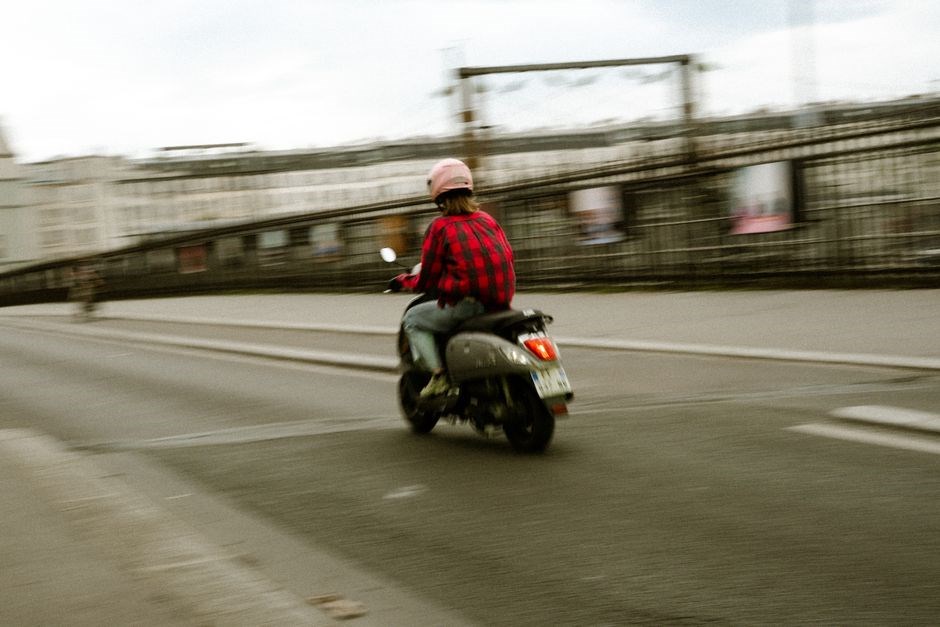
The practical driving test for the AM licence evaluates a candidate’s ability to safely operate a cyclomoteur on public roads. The test is conducted in a controlled environment, typically a closed circuit or a designated area of a traffic‑free street. Candidates must demonstrate proficiency in the following areas:
- Starting, stopping, and accelerating smoothly while maintaining control.
- Executing correct lane changes, turns, and U‑turns with proper signaling.
- Adhering to speed limits, traffic signals, and road signs.
- Maintaining safe distances from other vehicles and pedestrians.
- Performing emergency stops and handling unexpected obstacles.
- Using mirrors and checking blind spots before maneuvers.
Examiners assess each maneuver for safety, precision, and compliance with French traffic regulations. A pass requires flawless execution of all required skills, while minor errors may lead to a retake. Candidates should practice in varied traffic conditions and review the official PDF study guide for detailed procedural instructions and sample scenarios.
It also improves confidence.
Examiners verify the rider follows all traffic signs and signals.!!
Training Courses and Driving Schools
For those aiming to obtain an AM licence, several structured training courses are available across France. These courses combine classroom instruction with on‑road practice, ensuring candidates master both theory and handling of a cyclomoteur. Most driving schools offer a 10‑hour curriculum that covers traffic rules, vehicle maintenance, and safe riding techniques. The curriculum is aligned with the official AM study book, which is freely downloadable as a PDF from the Ministry of the Interior website. Students receive a printed copy of the PDF guide, supplemented by interactive online modules and practice quizzes. In addition, many schools provide a dedicated mobile app that syncs with the PDF, allowing learners to review key concepts on the go. The courses culminate in a supervised practical session where instructors assess riding proficiency before the candidate proceeds to the official exam. Enrollment typically requires a valid ID, proof of age, and a completed application form. Schools often offer flexible schedules, including weekend and evening classes, to accommodate working adults. Some institutions partner with local municipalities to provide discounted rates for residents. Overall, enrolling in a reputable driving school significantly increases the likelihood of passing the AM licence test on the first attempt. Review the PDF guide regularly and practice in varied traffic conditions!
PDF Resources and Study Guides
The official AM licence study book is available as a free PDF from the French government website. It covers all legal rules, traffic signs, and practical tips. Download it, print key sections, and use the embedded practice tests to prepare thoroughly. Download the PDF for full practice day.
Official AM Licence Study Book PDFs
The French government publishes the official AM licence study book as a downloadable PDF. This comprehensive guide covers all legal requirements, traffic signs, and practical driving scenarios for cyclomoteur operators. The PDF includes detailed explanations of speed limits, vehicle classifications, and safety regulations, as well as interactive quizzes and sample questions that mirror the actual theory test. Users can download the file from the official website, print key sections for quick reference, or view it on a tablet for portable study sessions. The guide is updated annually to reflect any changes in legislation, ensuring that candidates have the most current information. By studying the PDF thoroughly, learners can confidently prepare for both the written and practical components of the AM licence examination.
The PDF is organized into sections: legal framework, traffic signs, driving rules, and exam preparation. Each section contains concise explanations that reinforce learning.
To maximize study efficiency, download the PDF to a mobile device and use bookmarks to navigate between sections. The guide offers printable worksheets for practice.
After completing the PDF study, candidates can access free online practice tests that simulate the theory exam. These mock tests help identify weak and improve confidence before test. Download now. Get it today
Online Practice Tests and Apps
After mastering the official AM licence PDF, candidates can solidify their knowledge through online practice tests and mobile apps. The French authority’s portal offers a test bank that mirrors the real theory exam: 30 multiple‑choice questions, each with four options, covering traffic signs, road rules, and safety protocols. Users receive instant feedback and detailed explanations for every answer, helping identify misconceptions.
Popular apps like “Permis AM” (iOS/Android) provide offline mode, customizable quizzes, and adaptive difficulty. Many sites host free mock exams that align with the latest legislative updates, including progress dashboards and printable question sets.
For a realistic test experience, some apps simulate the full exam: 30 questions, a 30‑minute limit, and a countdown timer.
Community forums on these platforms allow candidates to share tips, clarify doubts, and discuss recent changes. Joining a study group can provide accountability and extra resources such as flashcards and mnemonic devices for traffic sign recognition.
Before the official exam, take at least three full‑length mock tests and aim for a score above 80%. Consistent practice, combined with the official PDF and interactive apps, equips candidates with the confidence and knowledge needed to succeed on the AM licence examination. Practice regularly and pass with confidence now.
Cyclomoteur Licensingin France!
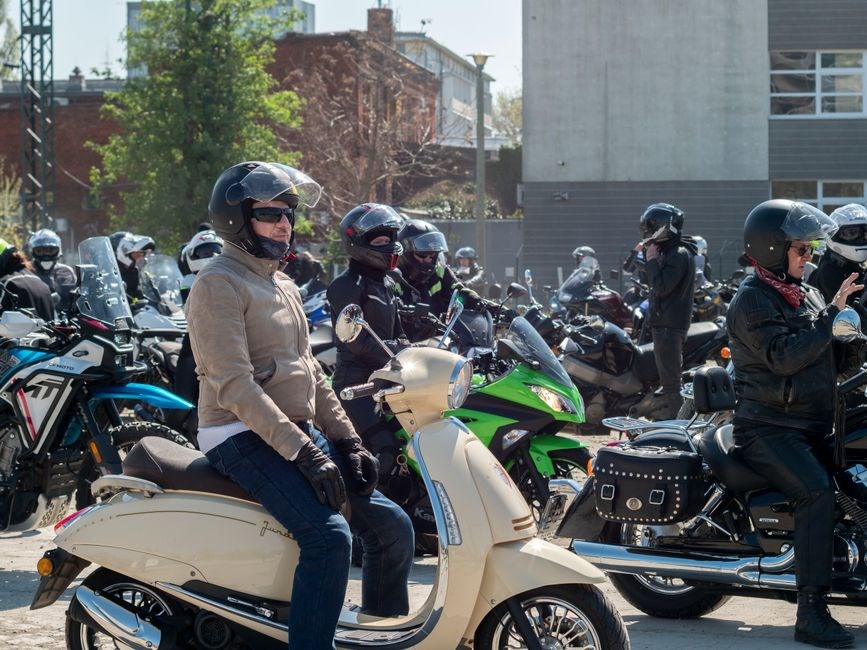
Search the AM licence PDF today. Use keywords “AM licence PDF” or “livre de théorie AM”. Save the 30 MB file as “AM‑Study”.
Mark key sections with the built‑in highlighter. Mark warnings speed limits quickly. Create a separate PDF for notes by selecting “Print” and “Microsoft Print to PDF”. This keeps the original file untouched while you annotate freely.
Transfer the PDF to a tablet or phone. Apps like PDF Expert or Xodo let you annotate and record audio notes. Sync notes across devices with Google Drive or OneDrive. Record audio notes daily.
Practice active recall after reading a section: close the PDF, write key points, then reopen to check accuracy. Repeat for each chapter to reinforce memory and highlight gaps. Use flashcards daily.
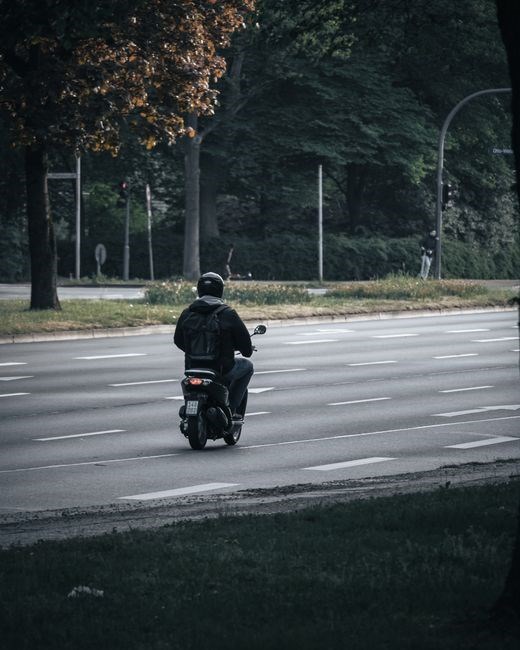
Schedule regular review sessions and set calendar reminders to revisit the PDF weekly. Consistent exposure with PDF readers solidifies understanding and prepares you for the exam. Use flash.