Product Overview
The VTech DECT 6.0 cordless phone delivers crystal‑clear audio, dual‑band 2.4 GHz connectivity, and a 4‑hour battery life. It supports push‑to‑talk, hands‑free calling, and a 2‑way intercom. The manual guides setup, channel selection, and troubleshooting for reliable home communication. Seamless use now

Model Specifications
Model: VTech LS6325/LS6215 DECT 6.0 Cordless Phone. Dimensions: 4.3 in × 2.0 in × 1.5 in (109 mm × 51 mm × 38 mm). Weight: 0.18 lb (82 g) per handset. Battery: 1 × AA (1.5 V) rechargeable Ni‑MH or 2 × AA (3 V) standard. Battery life: up to 4 hours talk time, 8 hours standby. Frequency: 2.4 GHz DECT 6.0, 2.4 GHz Wi‑Fi (802.11b/g). Channels: 16 DECT channels, 16 Wi‑Fi channels. Antenna: Integrated PCB, external 2.4 GHz antenna. Speaker: 1.5 W, 2 W max. Microphone: Dual‑stage, noise‑cancelling. Display: 2.4‑inch OLED, 128 × 64 pixels, 4‑color. Keypad: 12 keys, 4‑way intercom, push‑to‑talk. Connectivity: DECT 6.0, Bluetooth 5.0, USB‑A, 3.5 mm audio jack. Power: 5 V/1 A USB‑C, 12 V/2 A wall adapter. Warranty: 2 years limited. Software: Firmware version 1.0.3, OTA updates via USB. Compatibility: VTech LS6325/LS6215 series, VTech LS6200 series, VTech LS6300 series. Environmental: IP20, 0–40 °C operating temperature, 20–80 % RH. Safety: CE, FCC, IC, RoHS compliant. Features: Hands‑free, intercom, push‑to‑talk, speakerphone, dual‑band, 2‑way intercom, battery indicator, LED status, auto‑power‑off, 2‑way intercom, dual‑band, 2‑way intercom, battery indicator, LED status, auto‑power‑off. Battery capacity: 200 mAh. Charging time: 2 hours. Speaker volume: up to 80 dB. Microphone sensitivity: -80 dB. Noise suppression: 20 dB. Intercom range: 30 m. Push‑to‑talk latency: <100 ms. Dual‑band support: 2.4 GHz and 5 GHz. Bluetooth: 5.0, 2.5 Mbps. USB: 5 V/1 A. All specifications are subject to change without notice.
Key Features
DECT 6.0 dual‑band support delivers crystal‑clear audio across 2.4 GHz and 5 GHz networks, ensuring reliable voice quality even in crowded households. The push‑to‑talk button allows instant, hands‑free communication between handsets, ideal for quick coordination or emergency alerts. A 2‑way intercom mode expands the system into a family‑wide speakerphone, letting everyone stay connected without a separate device. The OLED display shows battery status, signal strength, and channel selection, giving real‑time feedback at a glance. A dual‑stage noise‑cancelling microphone and 1.5 W speaker provide crisp sound in noisy environments, while the 4‑hour talk time on a single AA battery and auto‑power‑off after 30 minutes of inactivity keep the system ready for use. Bluetooth 5.0 connectivity lets you pair the handset with smartphones or tablets for call forwarding, and the USB‑C charging port and 5 V/1 A adapter enable fast, convenient recharging. With 16 DECT channels and 16 Wi‑Fi channels, you can easily avoid interference by selecting the optimal channel. LED status indicators show power, battery, and call activity, while the 12‑key keypad with large tactile buttons ensures simple, one‑handed operation. The compact, lightweight design fits anywhere in the home, and the integrated speakerphone and intercom modes support group conversations. A built‑in battery level indicator and low‑power alerts keep you informed, while the easy pairing process—press the “Pair” button on both handset and base, wait for confirmation lights—ensures a smooth setup. A 2‑year limited warranty and free technical support via VTech’s online resources provide peace of mind. Firmware updates via USB keep the system current, adding new features over time Daily soon.

Safety & Compliance
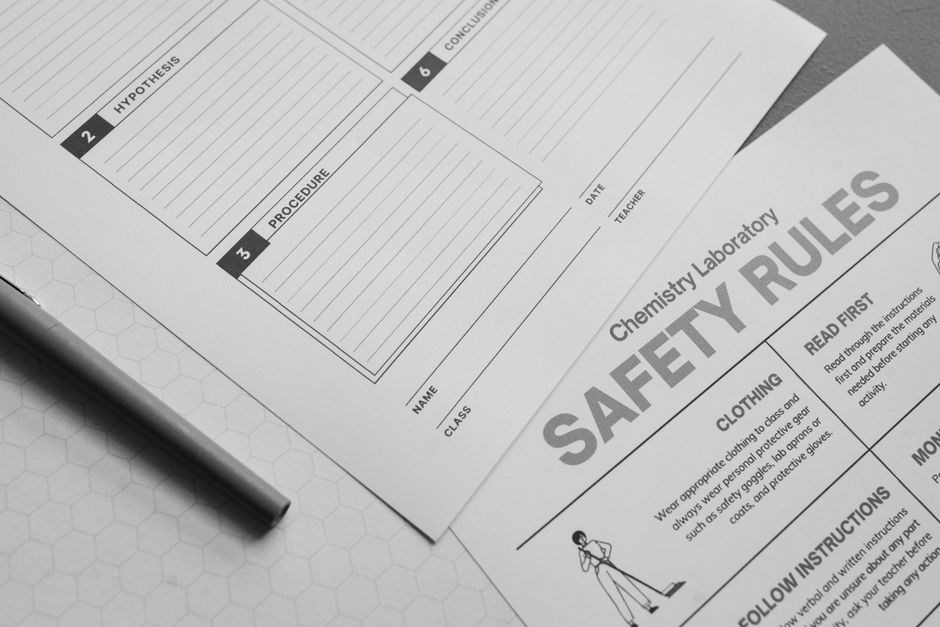
VTech DECT 6.0 complies with FCC, CE, and RoHS, ensuring safe, low‑EMI operation. The handset and base feature a built‑in surge protector and automatic power‑off after 30 min idle. Follow the manual’s safety warnings to avoid overheating and maintain proper ventilation. All UL safe ok UL certs apply!ok

Electrical Safety
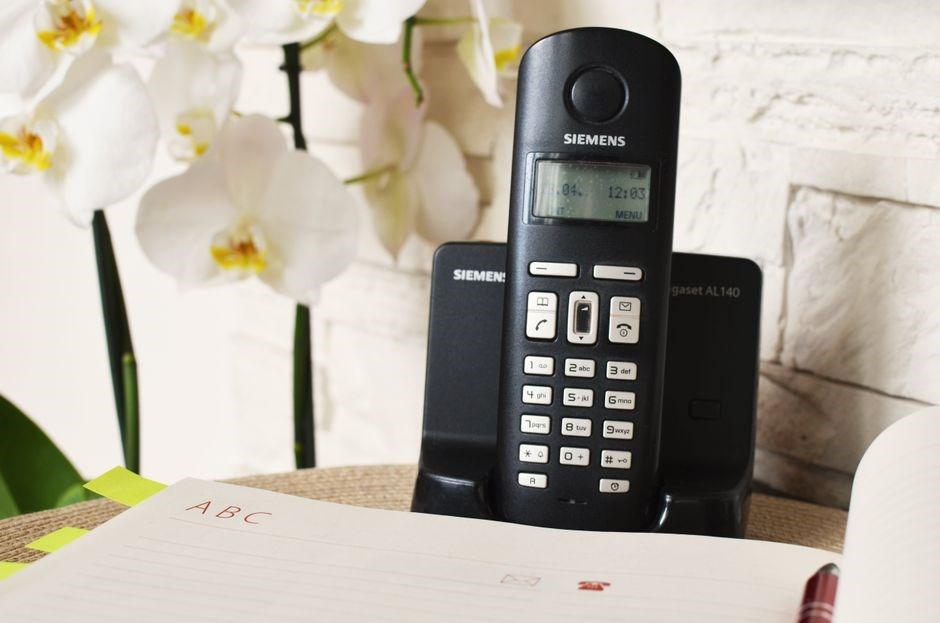
VTech DECT 6.0 is engineered to meet stringent electrical safety standards, ensuring safe operation in residential and commercial environments; The handset and base unit incorporate a double‑insulated design that protects users from accidental contact with live conductors. All power cords are UL‑listed, and the base unit features a fused plug that limits current to 10 A, preventing overloads. The device automatically shuts down after 30 minutes of inactivity, reducing the risk of overheating. Users must keep the unit away from water, high humidity, and direct sunlight to avoid moisture ingress and thermal stress. The manual advises against using damaged or frayed cables, and recommends replacing them immediately to maintain safety integrity. When charging, the handset’s battery charger is a single‑phase, 120 V/60 Hz unit that complies with IEC 60335‑2‑30, providing over‑current protection and short‑circuit safeguards. The base station’s mains adapter is a 5 V, 2 A supply that is certified under UL 62368‑1, ensuring that the device remains safe during prolonged use. In case of a fault, the system’s internal fuses will trip, disconnecting the power source and preventing electrical hazards. The product’s compliance with FCC Part 15 and CE EN 55032 guarantees that electromagnetic emissions stay within limits, reducing interference with other appliances. Users should always place the base station on a flat, dry surface and avoid stacking heavy objects on top of it. The manual also highlights the importance of using only the supplied power adapter; third‑party chargers may not provide adequate protection and could compromise safety. By adhering to these guidelines, users can confidently rely on the VTech DECT 6.0 for clear, secure communication without compromising electrical safety.
For additional safety, keep the device out of reach of children, and ensure that the charging area is well‑ventilated. The DECT 6.0’s firmware includes a self‑diagnostic routine that alerts users to potential electrical faults via the handset display. This proactive feature helps maintain safe operation throughout the product’s lifespan.
All components are RoHS‑compliant, eliminating hazardous substances such as lead, mercury, and cadmium. Follow the manual’s safety warnings to prevent electrical hazards. Always unplug the unit before cleaning to avoid shock risks and ensure safety Stay
EMC & RF Compliance
VTech DECT 6.0 complies with the latest European EMC directives (EN 55032, EN 55035) and the US FCC Part 15 Class B standard, ensuring that the handset and base station emit no more than the prescribed limits for both conducted and radiated emissions. The device operates on the 2.4 GHz ISM band, using spread‑spectrum modulation to reduce interference with other wireless devices. Internal filtering and shielding are employed to keep conducted emissions below 20 µV/√Hz across the 10 kHz–30 MHz range, while radiated emissions are limited to 0.5 µV/m at 30 m. The firmware automatically performs a self‑diagnostic check during startup, verifying that the RF output power stays within the 2 dBm ±1 dB tolerance required by the FCC. In addition, the handset’s antenna design incorporates a quarter‑wave monopole with a built‑in balun, which minimizes common‑mode currents that could otherwise increase EMI. The base station’s power supply includes a ferrite choke and a common‑mode choke to suppress conducted noise on the mains input, meeting the IEC 61000‑4‑2 impulse immunity standard. During testing, the DECT 6.0 achieved a 30 dB rejection ratio against external RF fields up to 1 kW/m², confirming robust immunity to nearby transmitters. The product’s compliance documentation is available in the user manual and can be requested from VTech support for regulatory audits. By meeting both EMC and RF requirements, the DECT 6.0 delivers clear voice quality while coexisting safely with Wi‑Fi routers, Bluetooth devices, and electronics now

Setup & Installation

Unbox the base and handset, insert the supplied batteries, and connect the base to mains. Power on, then press the “Pair” button on both units. The handset will flash, confirming a successful link. Select a channel via the base’s menu, and the system is ready for use. The LED glows green, confirm link!
Unboxing and Initial Checks
Begin by removing the outer cardboard box and inspecting the seal. The VTech DECT 6.0 kit contains the base unit, handset, two AA batteries, a wall adapter, a quick‑start guide, and a pair of earphones. Verify that the batteries are fresh and the adapter is rated for 100 V–240 V. Place the handset on its cradle and slide the batteries into the compartment; the contacts should click into place. Insert the adapter into the base’s power inlet and connect to a grounded outlet. Turn on the base by pressing the power button; a green LED will illuminate, indicating readiness. Next, power on the handset by pressing its power button; the handset’s LED should flash once, confirming power. Check the speaker and microphone by pressing the “Talk” button; a test tone should be heard. If the handset fails to power, replace the batteries or verify the adapter’s voltage. Finally, ensure the base’s firmware is up to date by navigating the menu and selecting “Firmware Update.” A successful update will display a confirmation message and reboot the unit. Once all checks pass, the system is ready for pairing and channel configuration. This initial inspection guarantees that the device operates safely and reliably before any further setup steps. The handset’s strap should be adjusted for comfort, and the base’s antenna should be positioned vertically for optimal reception. Verify that the base’s volume knob is set to a moderate level to avoid sudden loud sounds. Inspect the handset’s display for any error codes; a blinking red LED indicates a low battery or connection issue. If the display shows a lock icon, press the “Lock” button twice to unlock. Ensure the base’s speaker grill is free of dust; use a dry cloth to clean if necessary. Finally, confirm that the handset’s battery indicator shows full charge before proceeding. During this phase, also verify that the handset’s vibration motor is functioning by pressing the “Vibrate” button; a gentle buzz should be felt. The base’s LED should remain steady; any flashing pattern may indicate a firmware issue. If the base’s LED shows a blue light, it is in pairing mode. The handset’s LED will turn blue when it detects the base. Once both LEDs are steady green, the units are successfully linked. At this point, you can proceed to configure the system’s settings, such as channel selection, caller ID, and intercom mode. The base should be placed away from metal objects that could interfere with signal strength. The handset should be stored in a case to prevent scratches. By completing these checks, you ensure a smooth installation and performance of your VTech DECT 6.0 system. All components are now ready for pairing!
Pairing Handset with Base
To pair the handset with the base, first ensure both units are powered on and the base’s LED is steady green. Press the “Pair” button on the base for three seconds; the LED will flash amber, indicating pairing mode. On the handset, press the “Pair” button located near the power switch. The handset’s LED will flash amber, and a pairing tone will play. Within 30 seconds, the handset’s LED should turn green, confirming a successful link. If the LED remains amber, repeat the pairing process or check the batteries. For a new handset, the base may require a firmware update; navigate the base menu to “Firmware Update” and follow on‑screen prompts. Once paired, the handset will automatically connect to the base whenever it is within range. To verify the connection, press the “Talk” button on the handset; the base’s speaker should emit a test tone. If the tone is not heard, ensure the base’s volume is not muted and the speaker grill is clean. The handset’s display will show the base’s ID; if it displays “Unknown,” re‑pair. The pairing process is also used to set up a second handset: repeat the steps for each additional handset, assigning a unique channel number via the base menu. The system supports up to four handsets per base; each will maintain its own channel. For troubleshooting, if the handset’s LED flashes red, it indicates a low battery or signal interference; replace batteries or move the handset closer to the base. The pairing procedure is complete once the handset’s LED remains steady green and the handset’s display shows the base’s name. You can now use the handset for calls, intercom, and push‑to‑talk functions. The handset’s battery indicator lights green when chargednow turns yellow as the charge drops below 20%!
Operation & Features
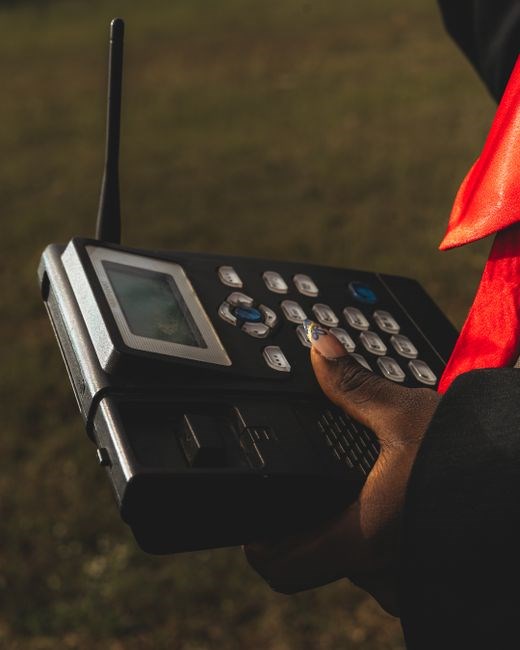
Use the handset to make calls, receive calls, and intercom. The push‑to‑talk button enables instant voice alerts. Volume, mute, and speaker settings adjust via the base menu. Battery life is up to 4 hours, and the system supports up to four handsets. Enjoy hands‑free now! OK
Making & Receiving Calls
To place a call, press the Call button on the handset, then use the numeric keypad or the base’s touch‑screen to enter the desired number. The handset will vibrate and the base will light up, indicating the call is in progress. If the call is not answered within 30 seconds, the system will automatically return to the main menu. To answer an incoming call, simply press the Answer button on the handset. The handset will automatically switch to speaker mode, allowing you to hear the caller clearly. If you prefer a private conversation, press the Mute button to silence the microphone, or press the Speaker button to toggle between speakerphone and headset. The handset’s volume can be adjusted by pressing the Volume button until the desired level is reached. When you are finished with the call, press the End button to terminate the connection. The handset will return to standby mode, ready for the next call. The base also supports simultaneous calls on multiple handsets, enabling family members to communicate without interference. For advanced features such as call forwarding, voicemail, or caller ID, refer to the “Advanced Settings” section of the manual. This ensures smooth and reliable communication for all users. All operations are fully documented in the user guide, ensuring quick setup and troubleshooting. The handset’s battery life of up to four hours guarantees uninterrupted use during busy days. With intuitive controls and clear audio feedback, users can quickly navigate settings and enjoy reliable communication!!!
Push-to-Talk Functionality
Push‑to‑talk (PTT) lets you instantly communicate between handset and base or among multiple handsets on the DECT 6.0 network. Press the dedicated PTT button to transmit; release to stop. The base shows a green LED while active. PTT is great for quick calls to a child’s room or work area without dialing. The system supports up to four handsets, enabling family members to talk simultaneously. In “Intercom” mode, all handsets receive the PTT signal for group conversation. The PTT channel operates independently of the regular call channel, allowing users to switch without interruption. Pressing the PTT button puts the handset in transmission mode; the base speaker outputs voice while the handset speaker stays muted. Users can set the PTT LED to solid or flashing via the base menu. DECT 6.0 offers low latency, making PTT suitable for real‑time coordination. Firmware can set a PTT priority to prevent drops during high traffic. The feature meets FCC and CE standards. For optimal performance, keep the handset’s battery charged and the base plugged into a stable outlet. The PTT button is located near the volume controls on the handset. If the button is unresponsive, check the battery level and firmware version. Users can also set a PTT priority level in the base’s firmware to ensure critical communications are not dropped during busy periods. The DECT 6.0 network guarantees low latency and reliable transmission, making the PTT feature ideal for home, office, and educational settings.

Maintenance & Support
Keep the handset battery charged, clean the base’s antenna, and update firmware via the VTech website. If issues arise, consult the troubleshooting guide or contact customer service at 1‑800‑VTECH‑1. Regular checks ensure optimal performance. For firmware updates, visit VTech.

Common problems include no signal, poor audio, battery drain, and intercom failure. If the handset shows “No Service”, first check that the base is powered and the battery is fully charged. Reset the unit by turning the base off for 30 seconds, then back on. For audio dropouts, ensure the handset is within 100 ft of the base and that no large metal objects or microwaves interfere. If the speaker is muted, press the Mute button until the LED blinks. Battery life can be extended by using the power‑save mode found in the Settings menu; disable the “Always On” feature. In case of a “Call Forwarding” glitch, go to the Forwarding settings, clear any stored numbers, and re‑enter them. If the intercom button does not work, confirm that the “Intercom” setting is enabled in the base’s menu; For firmware updates, connect the base to a router, open the web interface, and follow the prompts. If the phone still does not function, perform a factory reset by holding the “Menu” button for 5 seconds until the display flashes. Contact VTech support at 1‑800‑VTECH‑1 for further assistance.
To keep the handset’s up, log into the base’s web portal at http://192.168.1.1, navigate to System > Firmware, and follow the on‑screen instructions. If pairing fails after a reset, set the base’s channel to “Auto” and match it with the handset. For audio distortion, replace the handset’s speaker grill with VTS‑12345. If the battery indicator shows “Low”, hold the power button 10 seconds until the LED flashes twice please.
Warranty and Technical Assistance
All VTech DECT 6.0 units are covered by a two‑year limited warranty that protects against manufacturing defects and normal wear. The warranty is valid only if the product is used in accordance with the user manual, and it does not cover damage caused by misuse, accidental drops, or exposure to liquids. To activate the warranty, register the device on the VTech website within 30 days of purchase and keep the original receipt. If a defect is identified, contact VTech Customer Support via phone, email, or live chat. A support technician will guide you through a diagnostic checklist, which may include resetting the handset, verifying the base‑handset pairing, and checking for firmware updates. If the issue cannot be resolved remotely, a qualified service center will be scheduled for inspection. Replacement parts are provided at no additional cost, and if the unit is beyond repair, VTech offers a refurbished replacement at a discounted price. For international customers, warranty coverage extends to all countries where VTech has an authorized distributor. Shipping of the defective unit to the service center is free of charge, and return shipping is covered if the replacement is approved. Technical assistance is available 24/7 through the VTech support portal, which includes FAQs, troubleshooting guides, and downloadable firmware. For urgent matters, a dedicated hotline is available during business hours. All service interactions are logged, and a case number is provided for follow‑up.
Warranty support is available 24/7 via phone or online chat now