Understanding Horse Blanketing: A Comprehensive Temperature Guide
Navigating horse blanketing requires understanding temperature thresholds; above 50°F, most horses don’t need cover․ Between 40-50°F, a lightweight blanket is advisable, while temperatures dipping below 30°F necessitate heavier protection․
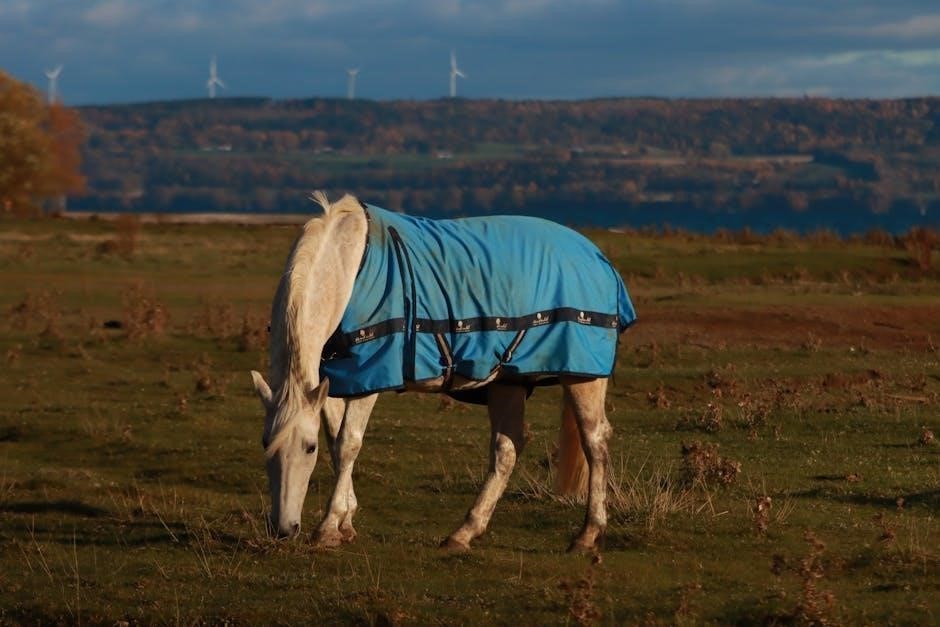
Horse blanketing is a practice rooted in maintaining equine comfort during fluctuating weather conditions․ Determining when to blanket isn’t a simple decision; it hinges on a complex interplay of factors, primarily temperature, but also encompassing the horse’s individual characteristics and workload․ Historically, horses relied solely on their natural winter coats for insulation․ However, modern management often involves clipping, altering their natural defenses and increasing their need for artificial warmth․
A crucial aspect of responsible blanketing is understanding a horse’s thermoneutral zone – the temperature range where they expend minimal energy to maintain body heat․ Outside this zone, blanketing can provide essential support․ As autumn descends and temperatures cool, proactive preparation of a horse’s winter wardrobe becomes paramount․ The goal isn’t simply to prevent cold stress, but to avoid overheating as well, requiring diligent monitoring and adjustments․
Why Blanket a Horse? Factors to Consider
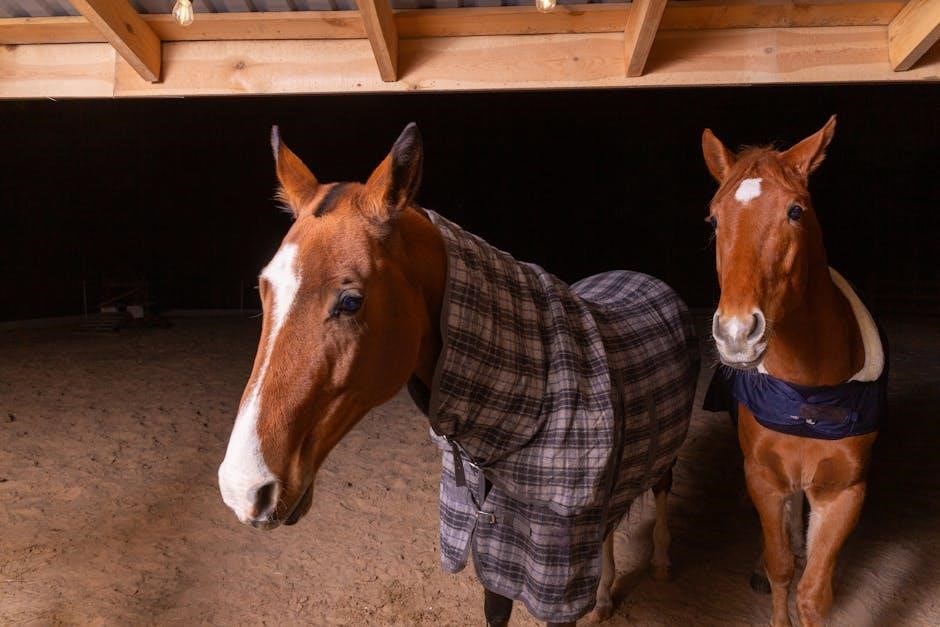
Deciding whether to blanket a horse involves evaluating several key factors beyond just the thermometer reading․ A horse’s natural acclimatization to cold, determined by their winter coat growth, is paramount․ Unclipped horses with thick coats often require blanketing only in severely cold temperatures, potentially below 30°F․ Conversely, clipped horses, having lost their natural insulation, necessitate earlier and heavier blanketing, even at temperatures around 40-50°F․
Age and health status also play a role; senior horses and those with underlying illnesses may struggle to maintain body temperature and benefit from earlier blanketing․ Breed predisposition to cold tolerance is another consideration․ Furthermore, access to shelter from wind and rain significantly impacts a horse’s thermal regulation, potentially reducing the need for a blanket․ Careful observation of your horse’s behavior is crucial․
The Horse’s Thermoneutral Zone Explained
The thermoneutral zone (TNZ) is a critical concept in understanding a horse’s temperature regulation․ It represents the range of ambient temperatures where a horse expends minimal energy to maintain its core body temperature․ Within this zone, horses are comfortable without shivering or sweating․ While the exact TNZ varies between individuals, it generally falls between approximately 40°F and 70°F (4°C and 21°C)․
Outside the TNZ, horses must expend energy to stay warm or cool down․ Below the lower critical temperature (LCT) of the TNZ, horses begin to shiver to generate heat․ Above the upper critical temperature (UCT), they sweat to dissipate heat․ Blanketing aims to extend the TNZ, particularly during colder months, reducing the energy expenditure required to stay warm and supporting overall health․
Temperature Ranges and Blanket Weight
Selecting the right blanket weight hinges on temperature; lighter options suit 50-60°F, medium weights for 30-40°F, and heavyweights below 30°F․
Above 50°F (10°C): No Blanket Needed
Generally, when temperatures remain consistently above 50°F (10°C), most horses, particularly those with a healthy, natural winter coat, do not require a blanket․ Their bodies are quite capable of regulating their temperature effectively within this range․ A well-conditioned horse with adequate forage will generate sufficient internal heat to stay comfortable․
However, individual circumstances matter․ Consider factors like wind exposure and rainfall․ Even at these milder temperatures, a horse lacking shelter from harsh weather might benefit from a light sheet to provide a windbreak․ Young horses, senior horses, or those recovering from illness may also require a bit more consideration, even above 50°F․
Monitoring your horse’s behavior is key; if they appear comfortable, are grazing normally, and aren’t exhibiting signs of shivering, a blanket is likely unnecessary․ Prioritize allowing the horse to utilize its natural thermoregulation abilities whenever possible․
50-60°F (10-15°C): Sheet or Lightweight Blanket
Within the 50-60°F (10-15°C) temperature range, a sheet or a very lightweight blanket can be beneficial, particularly if your horse is clipped, has a thin coat, or is older․ A sheet offers a breathable layer that can help prevent muscle chills, especially during damp conditions or after exercise․ It doesn’t provide significant warmth but acts as a barrier against drafts․
A lightweight blanket, often with around 150g of fill, offers a small amount of insulation․ Consider using one if your horse seems slightly uncomfortable or if the weather is particularly windy or wet․ Observe your horse closely; if they are not shivering and appear content, a sheet may be sufficient․
Remember, this is a transitional temperature range, so flexibility is crucial․ Adjust based on individual horse needs and prevailing weather conditions․
40-50°F (4-10°C): Lightweight Blanket Options
When temperatures fall between 40-50°F (4-10°C), a lightweight blanket becomes a more reliable choice for most horses․ Opting for a blanket with a 150-200g fill weight provides a moderate level of insulation, helping to maintain body temperature without causing overheating․ Consider a waterproof or water-resistant outer layer if precipitation is expected, preventing the horse from becoming chilled․
For horses with a full winter coat, a lighter weight option might suffice, while clipped horses or those prone to losing heat quickly will benefit from the increased warmth․ Regularly check for signs of shivering or bunching of the coat, indicating the need for a heavier blanket․
Prioritize a good fit to maximize the blanket’s effectiveness and prevent rubs or pressure sores․
30-40°F (-1-4°C): Medium Weight Blanket Selection
As temperatures descend into the 30-40°F (-1-4°C) range, transitioning to a medium-weight blanket is crucial for maintaining equine comfort․ A fill weight of 200-250g offers a substantial increase in insulation, effectively combating the cold․ Waterproof and windproof materials are highly recommended during this period, shielding horses from harsh weather conditions․
Clipped horses, or those with limited natural insulation, will particularly benefit from this level of protection․ Regularly assess your horse for signs of cold stress, such as shivering or a hunched posture․ Adjust blanket weight as needed based on individual needs and prevailing weather patterns․
Ensure a proper fit to prevent rubbing and maximize thermal efficiency․
Below 30°F (-1°C): Heavyweight Blanket Required
When temperatures plummet below 30°F (-1°C), a heavyweight blanket becomes essential for protecting your horse from potentially dangerous cold stress․ Opt for blankets with fill weights of 300g or higher, providing maximum insulation against frigid conditions․ Waterproof and windproof outer layers are non-negotiable, safeguarding against moisture and biting winds․
Clipped horses, senior horses, and those with underlying health conditions are especially vulnerable in these extreme temperatures and require diligent blanketing․ Monitor your horse closely for signs of shivering, muscle tension, or seeking shelter․
Prioritize a secure and properly fitted blanket to prevent heat loss and ensure optimal protection during severe cold snaps․
Blanket Types and Materials
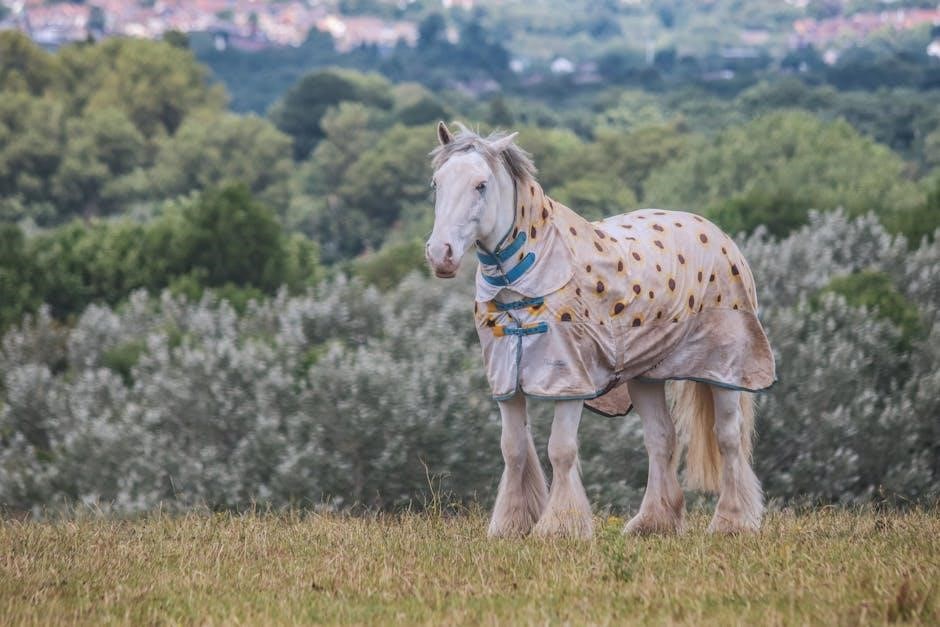
Selecting the right blanket involves considering denier ratings, waterproof versus water-resistant options, fill weights (150g, 200g+), and choosing between stable and turnout blankets․
Denier Ratings and Fabric Durability
Denier (D) is a unit measuring the fiber thickness of the blanket’s fabric, directly impacting its durability․ Lower denier numbers indicate finer fibers, often found in lighter-weight blankets, suitable for milder temperatures or as underlayers․ Conversely, higher denier ratings signify thicker, more robust fibers, ideal for turnout blankets exposed to rough surfaces and active horses․
A blanket with a 600D denier rating offers significantly greater tear resistance than one with 210D․ This is crucial for horses who roll, play, or live in environments with abrasive fencing․ Consider the horse’s behavior and living situation when selecting a denier level․ While higher denier generally equates to increased durability, it can also mean a heavier, less breathable blanket․ Balancing durability with comfort and breathability is key to ensuring your horse remains protected and comfortable throughout the season․
Waterproof vs․ Water-Resistant Blankets
Choosing between waterproof and water-resistant blankets depends on your horse’s environment and exposure to precipitation․ Waterproof blankets feature a tightly woven fabric with a waterproof coating, preventing water penetration even during prolonged exposure to rain or snow․ These are essential for horses living in consistently wet climates․
Water-resistant blankets, however, offer a degree of protection against light showers and drizzle but may become saturated during heavy or extended rainfall․ They typically breathe better than waterproof options, reducing the risk of overheating․ Consider a water-resistant blanket if your horse has access to shelter and experiences only occasional wet weather․ Evaluate your local climate and your horse’s lifestyle to determine the appropriate level of water protection․
Fill Weights: 150g, 200g, and Beyond
Blanket fill weights, measured in grams (g), indicate the level of insulation provided․ A 150g blanket is suitable for temperatures between 10°C and 15°C (50-60°F), offering minimal warmth – ideal as a sheet or for horses with substantial winter coats․ Stepping up to 200g provides more insulation for temperatures ranging from 5°C to 10°C (40-50°F), suitable for moderately cold conditions․
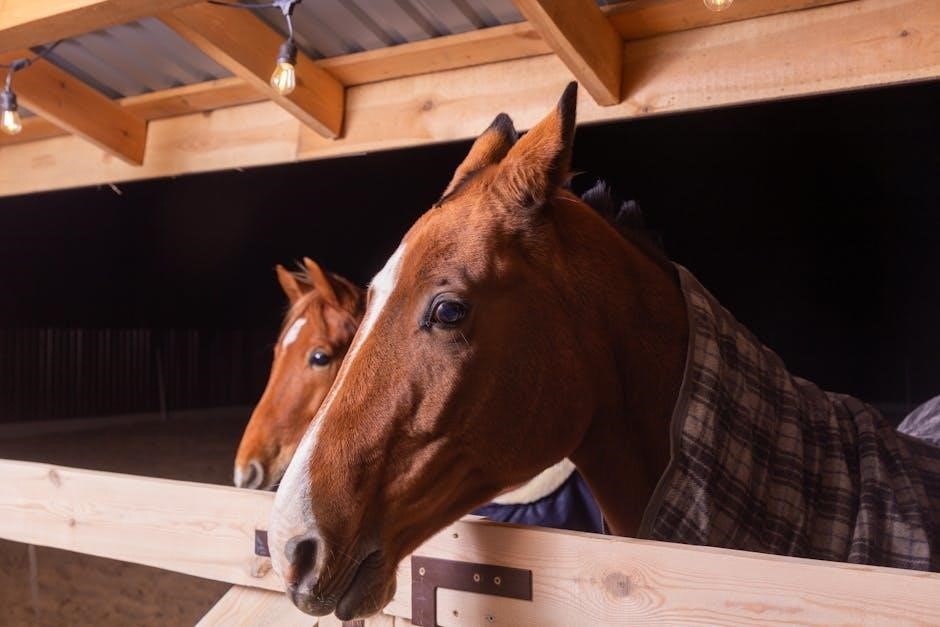
For colder temperatures, below 0°C (32°F), heavier fill weights like 300g or higher are necessary․ Consider layering blankets for flexibility; combining a lighter and heavier weight allows for adjustments based on fluctuating temperatures․ Remember that unclipped horses require less fill than clipped horses, as their natural coat provides significant insulation․
Stable Blankets vs․ Turnout Blankets
Choosing between stable and turnout blankets depends on your horse’s environment and activity level․ Stable blankets are designed for indoor use, offering warmth in drafty barns but lacking the durability for outdoor wear․ They typically have less waterproof or water-resistant qualities․
Turnout blankets, conversely, are built to withstand the elements․ Constructed from more durable, waterproof, and often breathable materials, they’re suitable for horses grazing or exercising outdoors․ When temperatures fluctuate, a turnout blanket is essential for protection against wind, rain, and snow․ Selecting the correct blanket type ensures your horse remains comfortable and dry, regardless of the weather conditions․
Horse-Specific Considerations
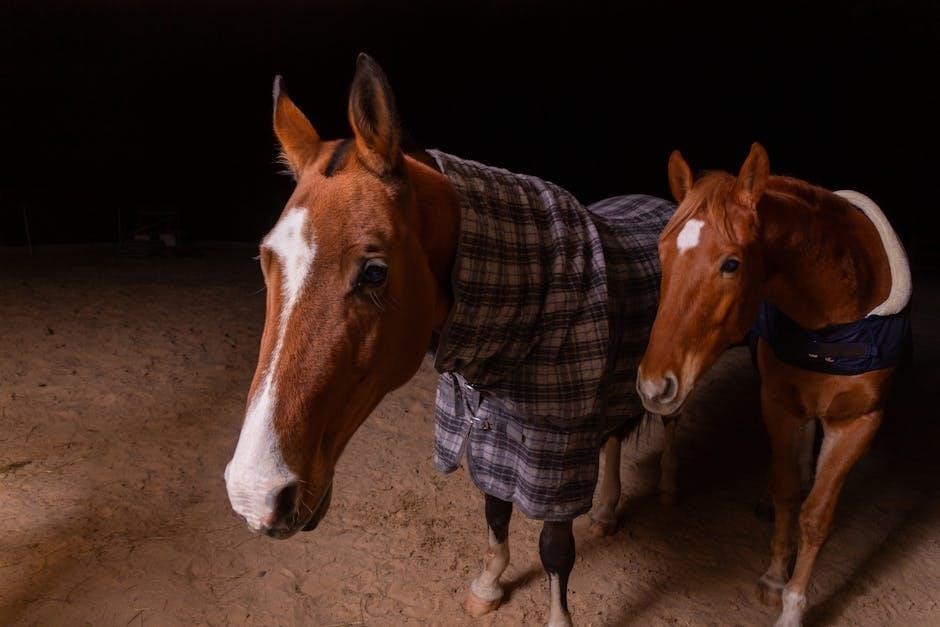
Individual horse needs vary; clipped horses require more blanketing than those with full winter coats․ Age, health, and breed also influence temperature sensitivity and blanket choices․
Unclipped Horses with Winter Coats
Horses naturally equipped with a full winter coat possess significant insulation, altering blanketing needs․ Generally, unclipped horses can comfortably tolerate colder temperatures without a blanket, often remaining warm down to 30°F (approximately -1°C) with access to adequate shelter from wind and precipitation․
However, individual tolerance varies based on factors like age, body condition, and acclimatization․ Monitoring the horse for signs of shivering or seeking shelter is crucial․ Above 50°F (10°C), blanketing is typically unnecessary․ Between 40-50°F (4-10°C), a sheet might suffice, while temperatures between 30-40°F (-1-4°C) may warrant a lightweight blanket, particularly during wet or windy conditions․ Remember, a horse’s ability to maintain warmth relies heavily on a dry coat, so shelter is paramount․
Clipped Horses and Increased Blanket Needs
Clipping a horse significantly reduces its natural insulation, dramatically increasing the need for blanketing in colder weather․ Unlike their unclipped counterparts, clipped horses lose their protective winter coat and become far more susceptible to cold stress․ Consequently, blanketing is required at much warmer temperatures․
Below 50°F (10°C), a lightweight blanket is generally recommended for clipped horses․ As temperatures drop to 40-50°F (4-10°C), a medium-weight blanket becomes necessary․ When temperatures fall below 30°F (-1°C), a heavyweight blanket is essential to prevent shivering and maintain core body temperature․ Consistent monitoring and adjusting blanket weight based on conditions are vital for clipped horses, as they rely entirely on artificial warmth․
Age and Health: Senior Horses & Illness
Senior horses and those battling illness have compromised thermoregulation, demanding more diligent blanketing practices․ Older horses often struggle to maintain body heat due to reduced muscle mass and decreased metabolic rates, requiring blankets at warmer temperatures than younger, healthy horses․ Similarly, sick horses expend energy fighting illness, hindering their ability to stay warm․
For senior or ill horses, consider blanketing when temperatures dip below 50°F (10°C)․ A lightweight blanket may suffice initially, but monitor closely for shivering; As temperatures fall to 40-50°F (4-10°C), a medium-weight blanket is advisable, and below 30°F (-1°C), a heavyweight blanket is crucial․ Prioritize keeping these vulnerable horses dry and sheltered from wind․
Breed Differences in Cold Tolerance
A horse’s breed significantly influences its cold tolerance, impacting blanketing decisions․ Breeds originating from colder climates, like Icelandic horses or draft breeds, generally possess thicker coats and greater natural insulation, needing blankets at lower temperatures․ Conversely, breeds from warmer regions, such as Arabians or Thoroughbreds, are more sensitive to cold and require earlier and heavier blanketing․
For cold-adapted breeds, blanketing may only be necessary below 30°F (-1°C)․ However, for heat-sensitive breeds, consider a lightweight blanket around 40-50°F (4-10°C)․ Always assess individual horses, as genetics and conditioning play a role․ Observe for shivering or seeking shelter – these are key indicators of cold stress, regardless of breed․
Monitoring Your Horse’s Comfort
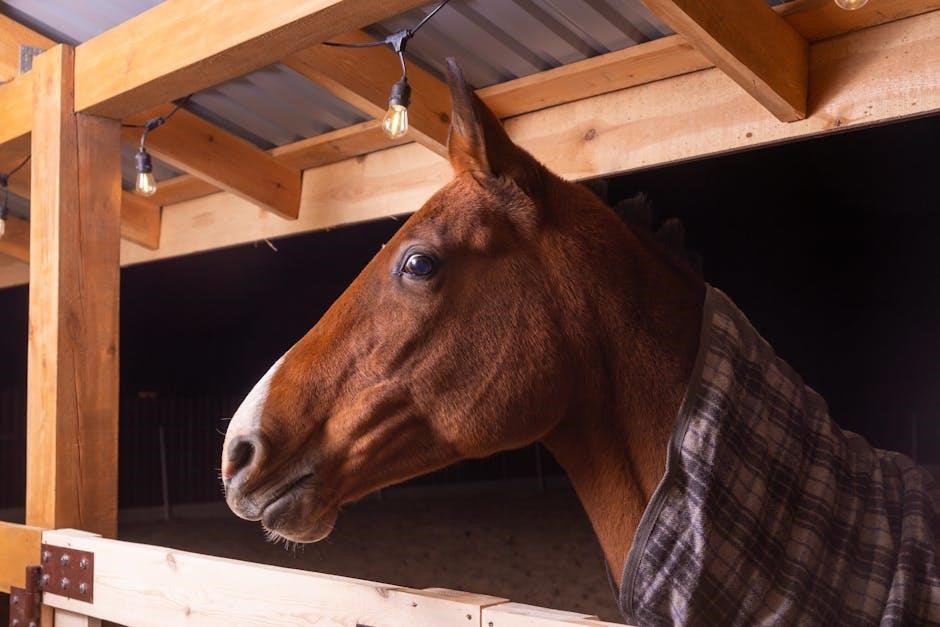
Regularly check for overheating or shivering, adjusting blankets as needed․ Wind and rain amplify cold, so provide shelter and adapt blanketing to changing weather conditions․
Checking for Signs of Overheating
Identifying overheating is crucial when blanketing your horse․ Begin by observing for excessive sweating, even when the horse is at rest or experiencing only light activity․ A horse that is too warm may exhibit rapid breathing or increased respiratory effort, appearing distressed․
Tactile assessment is also important; feel the horse’s neck and under the blanket – if it’s noticeably hot to the touch, overheating is likely․ Look for lethargy or a general lack of energy․ Some horses may become agitated or restless when uncomfortable due to excessive warmth․
Regularly check the horse’s temperature using a rectal thermometer; a temperature above the normal range of 99-101․5°F indicates overheating․ Promptly remove the blanket if any of these signs are observed and provide access to cool water and shade․
Recognizing Signs of Being Too Cold
Detecting cold stress in horses is vital for appropriate blanketing․ Observe for shivering, which is an obvious indicator of being cold, but subtle signs can precede this․ A horse attempting to conserve heat may stand with a hunched back and tucked tail․ Their muscles might appear tense, and they may exhibit a lack of energy or willingness to move․
Check the ears; cold ears are a good indicator of overall body temperature․ If the ears feel cold to the touch, the horse is likely chilled․ Look for seeking shelter from the wind or huddling with other horses․
A decrease in appetite or a general slowing down of bodily functions can also signal cold stress․ If you suspect your horse is too cold, add a blanket or move them to a warmer environment immediately․
The Importance of Shelter from Wind and Rain
Providing shelter dramatically impacts a horse’s cold weather comfort, often reducing or eliminating the need for blanketing at moderate temperatures․ Windbreaks, such as trees, fences, or purpose-built structures, are crucial․ Wind significantly increases heat loss, making even mild temperatures feel much colder․ Rain also contributes to heat loss by wetting the coat, reducing its insulating properties․
A three-sided shelter offers excellent protection from wind and rain while allowing for good ventilation․ Natural shelter, like wooded areas, can be beneficial, but ensure it’s safe and doesn’t create competition for space․
Even with a blanket, a horse benefits greatly from being able to escape the elements․ Shelter allows horses to conserve energy and stay drier, improving their overall well-being during colder months․
Adjusting Blanketing Based on Weather Changes

Weather is rarely static, demanding flexible blanketing strategies․ Regularly monitor forecasts and adjust your horse’s blanket accordingly․ A sudden cold snap requires an upgrade in blanket weight, while a warmer trend might necessitate removing a layer․ Pay attention to both temperature and precipitation; rain significantly reduces a coat’s insulating ability․
Don’t rely solely on the daily high; consider overnight lows, as horses lose heat throughout the night․ Observe your horse for signs of comfort – or discomfort – and adjust the blanket weight based on their individual needs․
Be prepared to blanket or un-blanket multiple times during a week as conditions shift․ Proactive adjustments prevent overheating or chilling, ensuring your horse remains comfortable․
Blanket Fit and Safety
Proper fit is crucial for safety and comfort; avoid rubs and pressure points with correct sizing․ Regularly check fastenings and blankets for damage, ensuring secure protection․
Proper Blanket Sizing and Fit
Achieving a correct blanket fit is paramount for your horse’s comfort and well-being, preventing rubs and ensuring effective warmth․ Begin by accurately measuring your horse from the center of the chest to the point of the buttock, this determines the blanket size needed․
Blankets are typically measured in inches, with common sizes ranging from 68″ to 84″․ A properly fitted blanket should allow approximately 4-6 inches of space between the shoulder and the blanket’s shoulder gusset, preventing restriction of movement․
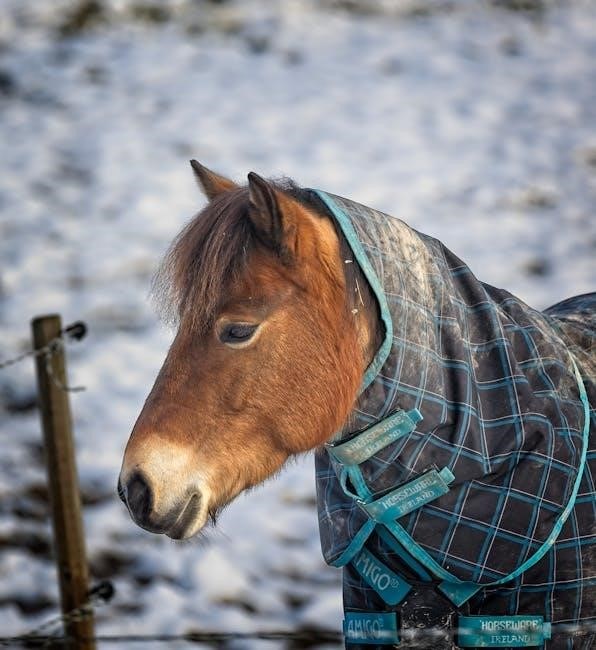
The blanket should also cover the entire body, extending down to the horse’s flank, without being too long in the rear․ Ensure the front closure doesn’t constrict the throatlatch area․ A snug, but not tight, fit is ideal, allowing for comfortable layering if needed․ Regularly assess the fit, especially on growing horses or those experiencing weight changes․
Avoiding Rubs and Pressure Points
Rubs and pressure points can cause significant discomfort for your horse, so preventative measures are crucial when blanketing․ Regularly check areas prone to rubbing, such as the shoulders, chest, and withers, especially with new blankets or during active turnout․
Ensure the blanket’s material is smooth and doesn’t contain abrasive seams or stitching․ Consider using a blanket liner or shoulder guard to provide an extra layer of protection․ Proper fit, as previously discussed, is fundamental in preventing friction․
Pay attention to the blanket’s fastenings; they shouldn’t be overly tight, restricting circulation or causing pressure․ Inspect for any signs of irritation, like hair loss or redness, and adjust the blanket accordingly․ Consistent monitoring and proactive adjustments will keep your horse comfortable throughout the colder months․
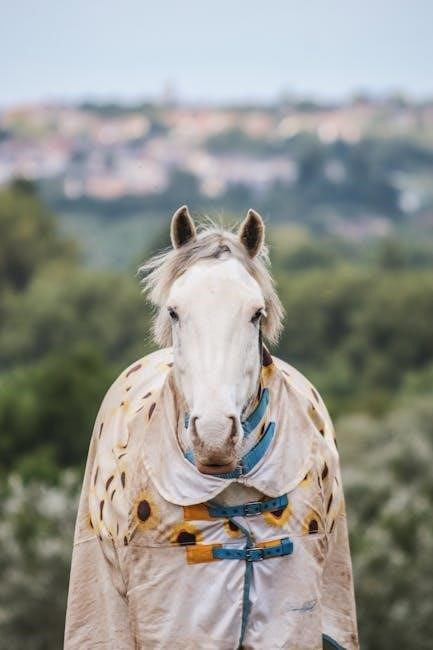
Blanket Fastenings and Security
Secure blanket fastenings are paramount to prevent loss or shifting, which can lead to rubs and compromised protection․ Traditional buckle closures should be adjusted to allow for some give, preventing restriction of movement or circulation, yet remain snug enough to resist slippage․
Velcro closures offer convenience but require regular inspection for debris accumulation, which can reduce their effectiveness․ Tail cords are essential for keeping the blanket from lifting, but ensure they’re not excessively long, posing a safety hazard․
Consider using quick-release fasteners for ease of removal in emergencies․ Regularly check all fastenings for wear and tear, replacing damaged components promptly․ A well-secured blanket provides peace of mind, knowing your horse remains comfortably protected against the elements․
Regular Blanket Checks for Damage
Consistent blanket inspections are crucial for maintaining your horse’s safety and comfort․ Regularly examine the entire blanket for tears, rips, or fraying, particularly around seams and closures․ Pay close attention to leg straps and tail cords, ensuring they remain intact and functional․
Check for rub marks on your horse’s shoulders, chest, and flanks, indicating potential pressure points or ill-fitting blankets․ Inspect waterproof coatings for cracks or deterioration, compromising their protective ability․
Promptly repair any damage to prevent it from worsening and potentially causing injury․ A damaged blanket can lead to discomfort, skin irritation, or even entanglement․ Proactive maintenance extends the blanket’s lifespan and safeguards your horse’s well-being during colder months․