
Raw juice offers a potent way to consume nutrients, gaining traction as a health-focused dietary choice. Freshly made juices provide antioxidants and support bodily cleansing, becoming a popular breakfast option.
What is Raw Juice and Why is it Gaining Popularity?
Raw juice, fundamentally, is juice extracted directly from fresh fruits and vegetables without applying heat or pasteurization. This preservation of its natural state is key, retaining vital enzymes, vitamins, and minerals often diminished in processed juices. The rising popularity stems from a growing awareness of holistic health and preventative wellness practices.
People are increasingly seeking ways to boost their nutrient intake efficiently, and raw juice provides a concentrated dose. It’s viewed as a convenient method for incorporating more plant-based foods into one’s diet, appealing to those aiming for a cleanse or a healthier lifestyle. Furthermore, the accessibility of juicers and readily available information contribute to its widespread adoption, even as a kid-friendly beverage.
The Benefits of Consuming Raw Juice
Raw juice consumption delivers a wealth of health advantages, primarily due to its concentrated nutrient profile. The abundance of antioxidants combats cellular damage, bolstering the body’s natural defenses. Juicing facilitates easier absorption of vitamins and minerals compared to digesting whole fruits and vegetables, offering a quick nutritional boost.
Beyond vitamins, raw juice supports detoxification processes, aiding the body in eliminating waste. It can contribute to increased energy levels and improved skin health, promoting a radiant complexion. While not a replacement for a balanced diet, it serves as a valuable supplement, particularly for those seeking to increase their plant intake and support overall wellbeing, regardless of the season.

Essential Equipment for Raw Juicing
Successful raw juicing requires the right tools! From selecting a juicer – centrifugal or masticating – to prepping produce, quality equipment is key for optimal results.
Types of Juicers: Centrifugal vs. Masticating
Choosing the right juicer significantly impacts juice quality and yield. Centrifugal juicers operate at high speed, shredding produce against a mesh strainer; they’re generally faster and more affordable, ideal for beginners. However, this speed generates heat, potentially diminishing some nutrients. They excel with harder fruits and vegetables.
Masticating (or slow) juicers, conversely, crush and press produce, extracting juice more slowly and gently. This minimizes oxidation and preserves more enzymes and vitamins. While slower and often pricier, masticating juicers yield a higher quality juice, particularly from leafy greens and wheatgrass. They are excellent for maximizing nutritional value and minimizing waste.
Preparing Fruits and Vegetables for Juicing
Proper preparation is crucial for optimal juicing. Begin by thoroughly washing all produce to remove dirt and pesticides. While peeling isn’t always necessary, consider it for fruits and vegetables with thick, inedible skins. Remove large seeds and pits, as these can damage the juicer.
Cutting produce into smaller pieces – roughly 1-2 inches – facilitates easier processing, especially for centrifugal juicers. Leafy greens benefit from being rolled tightly before juicing to maximize extraction. Remember, the fresher the produce, the higher the nutrient content in your juice, so prioritize immediate use after preparation.
Top Fruits and Vegetables for Raw Juice
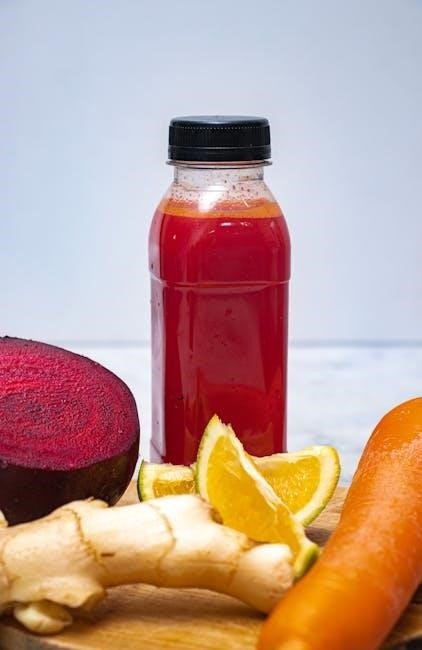
Selecting quality produce unlocks maximum nutritional benefits. Incorporate vibrant fruits and nutrient-rich vegetables into your raw juice blends for optimal health and flavor.
Best Fruits for Sweetness and Vitamins
Fruits naturally sweeten raw juices, eliminating the need for added sugars while delivering essential vitamins. Apples, with their crispness, provide a foundational sweetness and fiber, though juicing reduces the latter. Oranges are renowned for Vitamin C, boosting immunity and adding a zesty flavor. Berries – strawberries, blueberries, raspberries – are packed with antioxidants, contributing to overall wellness and a delightful taste.
Pineapple introduces a tropical tang alongside bromelain, an enzyme aiding digestion. Mangoes offer a creamy texture and a wealth of Vitamin A and C. Remember that fruit juices contain natural sugars, so moderation is key, especially when focusing on specific health goals like weight management. Combining fruits strategically enhances both flavor and nutritional value.
Nutrient-Rich Vegetables for Detoxification
Vegetables are crucial for a detoxifying raw juice, providing vital nutrients with lower sugar content than fruits. Leafy greens like spinach and kale are powerhouses of vitamins K, A, and C, supporting overall health. Celery acts as a natural diuretic, aiding in flushing out toxins and reducing bloating. Beetroot is celebrated for its liver-supporting properties and vibrant color.
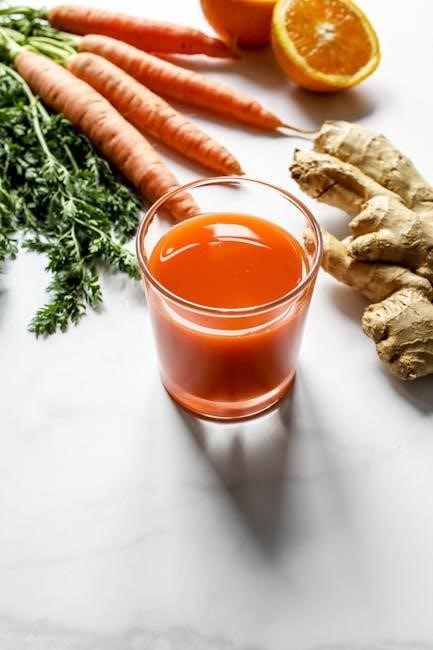
Carrots contribute beta-carotene, beneficial for vision and skin health, alongside a subtle sweetness. Cucumber offers hydration and a mild flavor, making it a versatile base. Incorporating these vegetables into your juice routine supports the body’s natural detoxification processes, promoting a sense of well-being and vitality.

Raw Juice Recipes for Health and Wellness
Explore diverse recipes designed to boost energy, cleanse the body, and strengthen immunity using fresh, wholesome fruits and vegetables for optimal health benefits.
Morning Energy Boost Juice Recipes
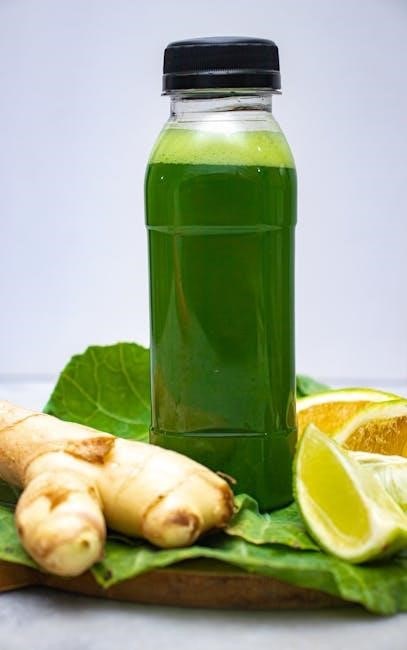
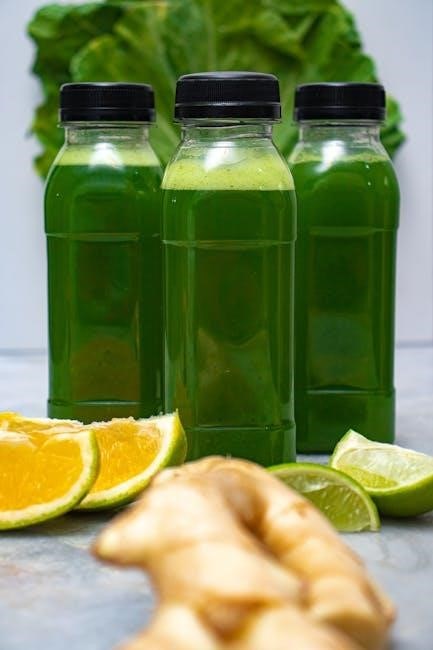
Kickstart your day with invigorating juice blends designed to provide sustained energy. Combine one orange, a half-inch ginger root, a handful of spinach, and a quarter of a green apple for a vibrant, revitalizing drink. This blend delivers Vitamin C and natural sugars for an immediate lift, while ginger aids digestion.
Alternatively, try a tropical sunrise juice: blend half a mango, half a banana, a small piece of pineapple, and a splash of coconut water. This recipe offers potassium and complex carbohydrates for lasting energy. Remember, these juices are best consumed immediately after preparation to maximize nutrient intake and enjoy their refreshing flavors. They’re perfect for a quick, healthy breakfast!
Detoxifying and Cleansing Juice Recipes
Support your body’s natural detoxification processes with carefully crafted juice blends. A classic detoxifying juice combines one cucumber, two stalks of celery, a handful of parsley, a quarter lemon, and a small piece of ginger. This recipe is hydrating and rich in electrolytes, aiding in flushing out toxins.
For a deeper cleanse, try a beet-carrot-apple juice: one beet, two carrots, and one green apple. Beets support liver function, while carrots provide beta-carotene. Remember to drink these juices slowly and consistently for optimal results. These vibrant concoctions are a delicious way to nourish your body and promote overall wellness, especially when aiming for a cleanse.
Immunity-Boosting Juice Recipes
Strengthen your defenses with juices packed with Vitamin C and antioxidants. A powerful blend features two oranges, one grapefruit, a thumb-sized piece of ginger, and a half-inch of turmeric root. This combination provides a significant boost to the immune system, fighting off illness.
Another excellent option is a pineapple-mango-ginger juice: one cup of pineapple, one mango, and a small piece of ginger. Pineapple contains bromelain, an enzyme with anti-inflammatory properties. Regularly incorporating these vibrant juices into your diet can help maintain optimal immune function and overall health, especially during seasonal changes.

Raw Papaya Juice: Specific Benefits and Considerations
Raw papaya is incredibly beneficial for digestive health and overall wellness, offering a unique nutritional profile, though precautions are needed during consumption.
The Nutritional Profile of Raw Papaya
Raw papaya juice is a nutritional powerhouse, brimming with essential vitamins and minerals. It’s a fantastic source of Vitamin C, a potent antioxidant that boosts immunity and protects against cellular damage. Papaya also delivers significant amounts of Vitamin A, crucial for vision and skin health.
Beyond vitamins, raw papaya provides a good dose of folate, potassium, and magnesium – electrolytes vital for maintaining proper bodily functions. The fruit contains papain, a unique enzyme known for aiding digestion and reducing inflammation. This enzyme breaks down proteins, making nutrients more accessible.
Furthermore, papaya is relatively low in calories and a good source of fiber, contributing to feelings of fullness and supporting a healthy gut microbiome. Its vibrant color hints at the presence of carotenoids, beneficial plant compounds with antioxidant properties.
Precautions When Consuming Raw Papaya Juice
While beneficial, raw papaya juice requires mindful consumption. Pregnant women should avoid it, as it contains latex which may induce uterine contractions. Individuals with latex allergies may also experience adverse reactions. Due to its potent enzymatic action, excessive intake can cause digestive upset, including diarrhea or stomach cramps.
Moderation is key; start with small portions to assess tolerance. Those with pre-existing kidney conditions should consult a healthcare professional before incorporating raw papaya juice into their diet, due to its potassium content.
It’s crucial to source ripe, but not overripe, papayas to minimize potential risks. Always wash the fruit thoroughly before juicing to remove any surface contaminants. Listen to your body and discontinue use if any negative symptoms arise.
Juicing for Specific Health Goals
Targeted juicing supports wellness aims, from weight management and improved skin health to detoxification. Nutrient-rich beverages offer a concentrated boost for specific needs.
Juicing for Weight Management
Incorporating raw juice into a weight management plan can be a beneficial strategy, though it requires mindful implementation. Juices, packed with vitamins and minerals, can contribute to a feeling of fullness, potentially reducing overall calorie intake. However, it’s crucial to remember that juice lacks the fiber found in whole fruits and vegetables, which plays a significant role in satiety and digestive health.
Therefore, juicing should complement, not replace, a balanced diet. Focus on vegetable-heavy juices to minimize sugar content, and pair them with protein and healthy fats for sustained energy. Avoid relying solely on juice for extended periods, as this can lead to nutrient deficiencies and metabolic imbalances. Consider juice as a tool to support a holistic approach to weight loss, alongside regular exercise and mindful eating habits.
Juicing for Skin Health
Raw juices can significantly contribute to healthier, radiant skin by delivering a concentrated dose of essential vitamins, minerals, and antioxidants directly to the body. These nutrients combat free radical damage, a primary cause of premature aging and skin blemishes. Specific ingredients, like those rich in Vitamin C, promote collagen production, improving skin elasticity and reducing wrinkles.
Focus on juices containing ingredients known for their skin-boosting properties, such as carrots (beta-carotene), spinach (Vitamin A & E), and berries (antioxidants). Hydration is also key; juices contribute to overall fluid intake, keeping skin plump and supple. Remember, consistency is vital – regular consumption of nutrient-rich juices, alongside a healthy lifestyle, will yield the most noticeable results for skin health.

Potential Risks and Considerations
While beneficial, raw juices can contain high sugar levels from fruits and lack fiber lost during juicing, impacting blood sugar and satiety.
Sugar Content in Fruit Juices
Fruit juices, while naturally sweet and appealing, can contribute significantly to daily sugar intake. This is a crucial consideration for individuals monitoring their blood sugar levels or aiming for weight management. The sugars present in fruit juice are primarily fructose, glucose, and sucrose, offering quick energy but lacking the fiber found in whole fruits that slows absorption.
Consuming large quantities of fruit juice can lead to sugar spikes and crashes, potentially contributing to insulin resistance over time. It’s important to balance fruit juice consumption with vegetable-based juices, which generally have lower sugar content. Diluting fruit juice with water is another strategy to reduce its overall sugar concentration, making it a healthier beverage option.
Fiber Loss During Juicing
A significant drawback of juicing, compared to consuming whole fruits and vegetables, is the substantial loss of dietary fiber. Fiber plays a vital role in digestive health, promoting regularity, and contributing to feelings of fullness. It also helps regulate blood sugar levels and supports a healthy gut microbiome.
During the juicing process, the pulp – which contains the majority of the fiber – is separated from the liquid juice. While juice provides concentrated vitamins and minerals, it lacks this crucial component. To mitigate fiber loss, consider incorporating the pulp into other recipes like smoothies, soups, or baked goods. Prioritizing whole fruit and vegetable consumption remains essential for optimal fiber intake.
Tips for Maximizing Juice Nutrition
To unlock the full nutritional potential, consume juice immediately after preparation, and thoughtfully combine ingredients for both flavor and enhanced health benefits.
Drinking Juice Immediately After Preparation
The vitality of raw juice diminishes rapidly once exposed to air. Oxidation begins almost instantly, leading to a loss of crucial enzymes, vitamins, and minerals. These vital components are responsible for many of the health benefits associated with fresh juice consumption.
Ideally, drink your juice within 20-30 minutes of making it to maximize nutrient intake. If immediate consumption isn’t possible, store the juice in an airtight container in the refrigerator. However, even refrigerated, the nutritional value will decline over time.
Consider juicing only the amount you intend to drink at that moment. This ensures you’re receiving the highest concentration of beneficial compounds, supporting optimal health and wellness through this vibrant, natural beverage.
Combining Ingredients for Optimal Flavor and Benefits
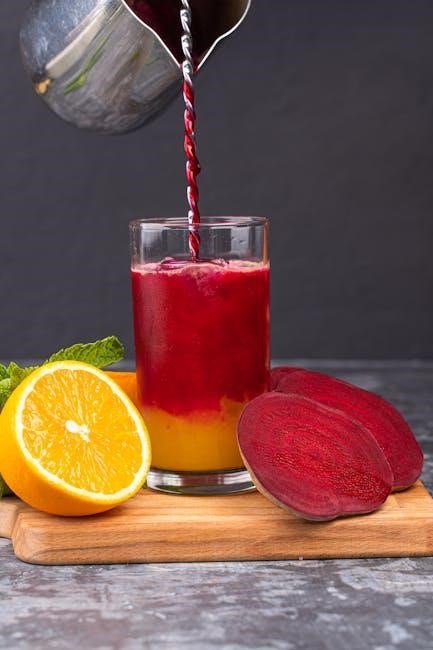
Strategic ingredient pairings elevate both the taste and nutritional profile of your raw juices. Balancing sweet fruits like apples or oranges with nutrient-rich vegetables such as kale or spinach creates a palatable and powerful blend. Don’t be afraid to experiment with herbs and spices – ginger and turmeric offer anti-inflammatory properties and a zesty kick.
Consider complementary flavors; citrus fruits enhance the absorption of iron from leafy greens. Pairing fruits with lower glycemic indexes alongside vegetables helps manage sugar content.
Ultimately, thoughtful combinations unlock synergistic effects, maximizing the health benefits and making your juice a truly enjoyable and revitalizing experience.
The Future of Raw Juicing
Emerging trends focus on unique juice ingredients and sustainable sourcing, ensuring ethical produce choices for health-conscious consumers and a greener future.
Emerging Trends in Juice Ingredients
The raw juicing landscape is dynamically evolving, moving beyond traditional fruit and vegetable combinations. Consumers are increasingly seeking novel ingredients to enhance nutritional profiles and flavor experiences. Adaptogens, like ashwagandha and rhodiola, are gaining popularity for their stress-reducing properties and are frequently incorporated into juice blends.
Furthermore, lesser-known fruits and vegetables – such as sea buckthorn, camu camu, and jicama – are appearing in specialized juice bars and recipes, prized for their unique vitamin and antioxidant content. Spicy additions, like ginger and turmeric, continue to trend, offering anti-inflammatory benefits and a vibrant kick. Expect to see more experimentation with herbs, floral infusions, and even functional mushrooms in the coming years, driven by a desire for holistic wellness and innovative taste sensations.
Sustainability and Ethical Sourcing of Produce
Conscious consumption is significantly impacting the raw juicing industry, driving demand for sustainably and ethically sourced produce. Consumers are increasingly aware of the environmental and social implications of their food choices, favoring locally grown, organic options whenever possible.
This trend encourages reduced transportation emissions and supports local farmers committed to responsible agricultural practices. Juice companies are responding by prioritizing partnerships with farms that minimize pesticide use, conserve water, and ensure fair labor standards. Reducing food waste through utilizing the entire fruit or vegetable – including pulp for composting or other applications – is also gaining traction, aligning with circular economy principles and minimizing environmental impact.