Greenhouse Instructions: A Comprehensive Guide
Embark on a rewarding gardening journey! This guide details DIY builds, from barn structures to small kits, ensuring successful seedling starts and extended growing seasons.
Explore options like recycled window designs and polytunnels, alongside crucial advice on location, foundations, and climate control for optimal plant health.
Choosing the Right Greenhouse Type
Selecting the ideal greenhouse hinges on your gardening ambitions, available space, and budget. Several distinct types cater to diverse needs. DIY enthusiasts might favor barn greenhouses, offering ample space and a rustic aesthetic, or explore geodesic dome greenhouses for their structural efficiency and unique appearance.
For beginners, small greenhouse kits provide a convenient and straightforward entry point, requiring minimal construction expertise. Polytunnel greenhouses present a cost-effective solution, utilizing a polyethylene film stretched over hoops, while recycled window greenhouses champion sustainability by repurposing materials.
Consider a terrace greenhouse for limited spaces, or even a miniature greenhouse cabinet for houseplants. Larger gardens may accommodate a 14-foot greenhouse, maximizing growing capacity. Ultimately, the “right” type aligns with your specific requirements and resources, ensuring a flourishing gardening experience.
DIY Greenhouse Options
Embracing a do-it-yourself approach unlocks creativity and cost savings in greenhouse construction. Numerous projects cater to varying skill levels. Building a barn greenhouse involves framing with wood and covering with plastic sheeting or reclaimed windows, offering a spacious and charming structure.
Alternatively, constructing a polytunnel utilizes hoops and polyethylene film, providing an affordable and easily assembled option. For a unique build, consider a geodesic dome greenhouse, demanding precise measurements but yielding a strong, energy-efficient space.
Even simpler projects, like repurposing tomato cages and plastic sheeting for mini-greenhouses, offer early season starts. Remember to prioritize a solid foundation and adequate ventilation in any DIY build. These options empower gardeners to create customized growing environments tailored to their needs and preferences.
Polytunnel Greenhouses: Construction and Benefits
Polytunnel greenhouses represent an accessible and economical entry point into controlled-environment gardening. Construction typically involves bending hoops – often metal or PVC – and securing them into the ground, creating an arched frame. This frame is then covered with a durable polyethylene film, providing a protective barrier against the elements.
Benefits are numerous: Polytunnels offer excellent light transmission, crucial for plant growth, and are relatively quick and easy to assemble. They provide protection from harsh weather, extending the growing season and allowing for earlier starts.
Proper ventilation is key to prevent overheating and humidity buildup. Anchoring the polytunnel securely is vital to withstand wind. These structures are ideal for a wide range of crops, offering a cost-effective solution for gardeners seeking to maximize yields and enjoy fresh produce year-round.
Barn Greenhouse Construction
Barn greenhouses offer a unique aesthetic and robust structure, often utilizing existing barn spaces or mimicking their design. Construction typically involves adapting a section of a barn, adding glazing to walls and roof, or building a freestanding structure with a barn-like appearance.
Key considerations include structural integrity: ensuring the existing barn can support the added weight of glazing and potential snow loads. Framing materials can range from wood to metal, depending on the scale and desired longevity. Ventilation is crucial in these larger spaces, often requiring a combination of vents and fans.
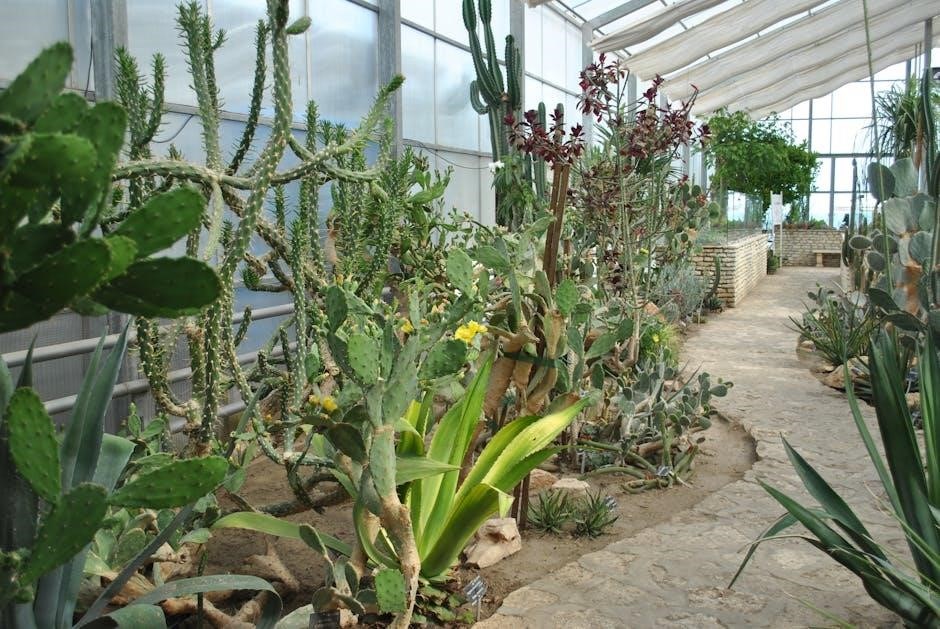
Barn greenhouses provide ample space for growing, potentially including areas for propagation, storage, and even a small workspace. They blend seamlessly into rural landscapes and offer a charming, functional addition to any property, extending the growing season significantly.
Geodesic Dome Greenhouses: Design and Assembly
Geodesic dome greenhouses represent an innovative approach to greenhouse design, offering exceptional strength and efficient light distribution. Their unique structure, composed of interconnected triangles, minimizes material usage while maximizing interior space. Assembly typically involves connecting pre-cut struts using hubs or connectors, forming the dome’s framework.
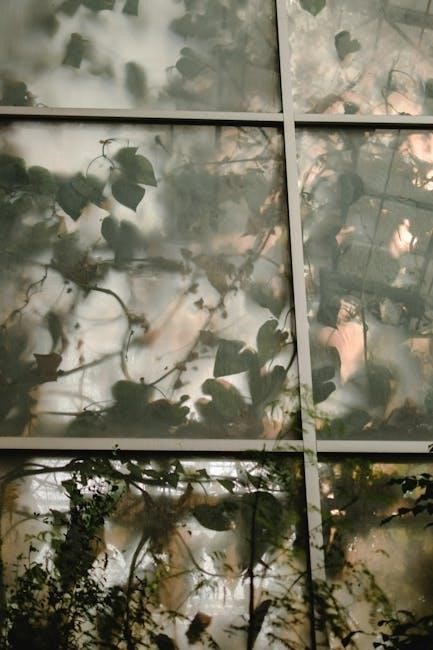
Design considerations include choosing the appropriate dome frequency (complexity), which impacts the number of struts and the overall curvature. Glazing panels, often polycarbonate, are then attached to the framework. Ventilation is vital, often achieved through strategically placed vents at the dome’s base and apex.
These domes are remarkably resilient to wind and snow, and their spherical shape promotes even temperature distribution. While assembly can be complex, kits are available simplifying the process. A geodesic dome offers a visually striking and highly functional growing environment.
Small Greenhouse Kits: A Beginner’s Approach
For novice gardeners, small greenhouse kits provide an accessible entry point into controlled-environment growing. These kits typically include pre-cut panels, a frame (often aluminum or steel), and hardware, simplifying the construction process significantly. Assembly usually requires basic tools and following provided instructions, making them ideal for DIY beginners.
Kits vary in size and features, ranging from mini-greenhouses for seed starting to larger walk-in models. Consider the available space and intended use when selecting a kit; Polycarbonate glazing is common, offering good light transmission and insulation.
Proper foundation preparation is crucial, even for small kits, ensuring stability and preventing shifting. Ventilation options, like roof vents, are essential for temperature regulation. Small greenhouse kits offer a convenient and rewarding way to extend the growing season and nurture plants with ease.
Recycled Window Greenhouses: Sustainable Building
Embrace eco-friendly gardening with a recycled window greenhouse! This method repurposes old windows – a cost-effective and environmentally conscious approach. Sourcing windows is the first step; salvage yards and online marketplaces are excellent resources. A sturdy wooden frame is typically constructed to support the windows, creating the greenhouse structure.
Careful planning is essential to ensure windows fit snugly and create a weatherproof enclosure. Consider the angle of the windows for optimal sunlight capture. Caulking and weather stripping are vital for sealing gaps and maintaining temperature control.
Recycled window greenhouses offer a unique aesthetic and reduce waste. While requiring more DIY effort than kits, they provide a rewarding and sustainable gardening solution. This approach embodies resourcefulness, transforming discarded materials into a thriving plant haven.
Greenhouse Location: Sunlight and Protection
Strategic placement is crucial for greenhouse success. Prioritize a location receiving at least 4 to 6 hours of direct sunlight daily, ideally facing south for maximum winter exposure. Consider the sun’s path throughout the year to avoid shading from trees or buildings.
Protection from prevailing winds is equally important. A sheltered spot minimizes heat loss and prevents structural damage. Natural windbreaks like hedges or fences can offer effective shielding. However, ensure these don’t obstruct sunlight.
Accessibility to water and electricity simplifies greenhouse maintenance. A level site simplifies foundation construction. Careful site selection optimizes growing conditions, extending the season and maximizing plant yields. A terrace greenhouse benefits from this careful consideration.
Optimal Sunlight Exposure
Maximizing sunlight is paramount for vigorous plant growth within a greenhouse. Southern exposure generally provides the most consistent and intense light, particularly during winter months. However, consider the angle of the sun and potential obstructions throughout the year.
East-facing greenhouses receive gentle morning sun, ideal for seedlings and heat-sensitive plants. West-facing structures benefit from afternoon warmth, but may require shading during peak summer hours. Adjust glazing materials to optimize light transmission based on your location and plant needs.
Regularly clean greenhouse glazing to remove dirt and debris, ensuring maximum light penetration. Reflective surfaces, like white paint or aluminum foil, can enhance light distribution. Observe your plants for signs of light stress – etiolation (leggy growth) indicates insufficient light.
Protection from Wind
Shielding your greenhouse from strong winds is crucial for structural integrity and maintaining a stable internal climate. Windbreaks, such as trees, shrubs, or fences, can significantly reduce wind velocity. Strategically planting these barriers on the windward side offers effective protection.
Ensure your greenhouse is securely anchored to the ground using appropriate foundation methods. Consider using ground anchors or a solid concrete base, especially in areas prone to high winds. Reinforce the greenhouse frame with bracing and sturdy connectors.
Select glazing materials that can withstand wind pressure, like polycarbonate or tempered glass. Regularly inspect the greenhouse structure for any signs of damage or weakness. Close vents and secure doors during windy conditions to prevent heat loss and structural strain.
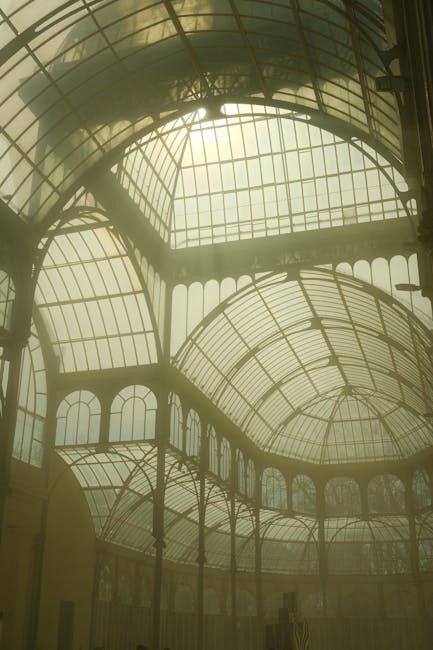
Greenhouse Foundation: Preparing the Base
A solid foundation is paramount for greenhouse stability and longevity. Begin by clearing the chosen site of vegetation, rocks, and debris. Leveling the ground is essential; a slight slope can aid drainage, preventing water accumulation. Consider the greenhouse size and weight when selecting a foundation type.
Gravel foundations offer excellent drainage and are suitable for smaller greenhouses. Wooden foundations, constructed with treated lumber, provide a cost-effective option. For larger or more permanent structures, a concrete slab foundation is recommended, offering superior stability.
Ensure proper drainage around the foundation to prevent waterlogging. Check local building codes for any required permits or regulations. Accurate measurements are vital to ensure the greenhouse fits squarely on the prepared base, avoiding future structural issues;
Framing Materials: Wood, Metal, and PVC
Selecting the right framing material is crucial for greenhouse durability and cost-effectiveness. Wood, traditionally used, offers affordability and ease of construction, but requires regular treatment to prevent rot and insect damage. Redwood and cedar are naturally more resistant options.
Metal framing, typically aluminum or steel, provides superior strength and longevity. Aluminum is lightweight and rust-resistant, while steel offers exceptional stability, though it’s prone to corrosion if not properly coated. Metal frames often require welding or specialized connectors.
PVC piping presents a budget-friendly and lightweight alternative, ideal for smaller, temporary greenhouses. However, PVC can become brittle with prolonged sun exposure and may not withstand heavy snow loads. Consider the greenhouse’s size, climate, and your construction skills when making your choice.
Glazing Options: Glass, Polycarbonate, and Plastic Sheeting
The glazing material significantly impacts light transmission, insulation, and cost. Traditional glass offers excellent clarity and longevity but is heavy, fragile, and expensive. Safety glass is a recommended alternative to minimize breakage risks.
Polycarbonate provides a durable, lightweight, and impact-resistant option. It offers good insulation and diffuses light, reducing scorching. Twin-wall or multi-wall polycarbonate enhances thermal performance. However, it can degrade over time with UV exposure, so UV-protected varieties are essential.

Plastic sheeting, like polyethylene film, is the most affordable glazing choice, ideal for temporary or budget-conscious greenhouses. It’s lightweight and easy to install but offers limited insulation and requires frequent replacement due to UV degradation. Choose a thicker gauge for increased durability.
Ventilation Systems: Maintaining Temperature Control
Effective ventilation is crucial for regulating greenhouse temperature and humidity, preventing overheating and disease. Natural ventilation relies on strategically placed vents – roof vents release hot air, while side vents draw in cooler air, creating airflow. Vent size and placement are key for optimal circulation.
Forced ventilation utilizes fans to actively move air. Exhaust fans remove hot air, and intake fans bring in fresh air. Thermostatically controlled fans automate the process, maintaining consistent temperatures. Consider fan capacity based on greenhouse size.
Proper ventilation minimizes condensation, reducing the risk of fungal diseases. Automated vent openers respond to temperature changes, providing hands-free climate control. Combining natural and forced ventilation offers the most effective temperature management.
Natural Ventilation Methods
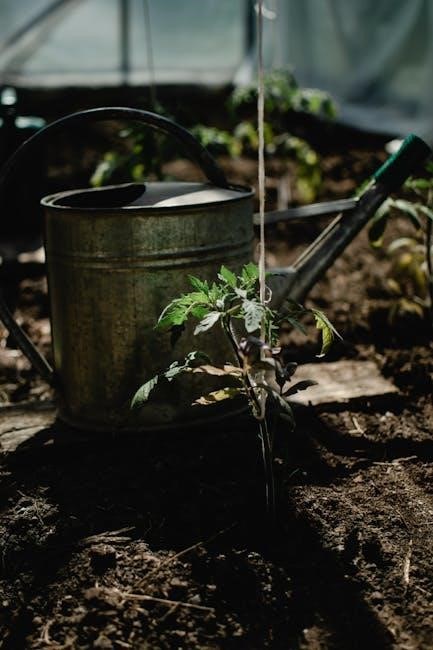
Harnessing the power of airflow, natural ventilation offers a cost-effective and energy-efficient cooling solution for greenhouses. Roof vents are paramount, allowing rising hot air to escape, creating a natural convection current. Strategically positioned side vents, ideally opposite the roof vents, draw in cooler, fresh air from outside.
Vent size is critical; larger vents facilitate greater airflow. Automated vent openers, responding to temperature fluctuations, provide hands-free operation. Louvered vents offer adjustable airflow control, protecting plants from direct drafts.
Consider prevailing wind direction when positioning vents for maximum effectiveness. Proper vent placement minimizes stagnant air pockets, ensuring even temperature distribution. Utilizing shade cloth in conjunction with natural ventilation can further reduce heat buildup, creating an optimal growing environment.
Forced Ventilation Systems
When natural ventilation proves insufficient, forced ventilation systems provide reliable temperature control. Exhaust fans, strategically placed to expel hot air, are the core component. These fans are typically mounted high in the greenhouse to effectively remove rising heat. Intake fans, often positioned on the opposite side, draw in cooler air, creating a consistent airflow.
Fan capacity is crucial; it must be appropriately sized for the greenhouse volume. Thermostats control fan operation, automatically activating them when temperatures exceed a set point. Horizontal airflow (HAF) fans circulate air within the greenhouse, preventing temperature stratification and ensuring uniform conditions.
Consider fan energy efficiency and noise levels when selecting a system. Proper installation and maintenance are vital for optimal performance and longevity. Combining forced ventilation with evaporative cooling pads can further enhance cooling efficiency.
Heating Systems: Extending the Growing Season
To cultivate plants beyond the natural growing season, a reliable heating system is essential. Several options cater to varying greenhouse sizes and budgets. Propane and natural gas heaters offer efficient and consistent warmth, but require proper ventilation to prevent carbon monoxide buildup.
Electric heaters are convenient and safe, but can be more expensive to operate. Infrared heaters directly warm plants and soil, minimizing energy waste. Wood-burning stoves provide a rustic and cost-effective solution, though demand consistent monitoring and fuel sourcing.
Thermal mass, like water barrels or dark-colored flooring, stores heat during the day and releases it at night, reducing heating demands. Consider insulation to minimize heat loss. Automated thermostats maintain consistent temperatures, optimizing plant growth and preventing cold stress.
Shelving and Benches: Maximizing Space
Efficient space utilization is crucial within a greenhouse environment. Shelving and benches dramatically increase growing capacity, allowing for organized plant arrangement and improved accessibility. Consider multi-tiered shelving units constructed from durable, weather-resistant materials like metal or treated wood.
Benches provide a comfortable working height and ample space for seed starting, potting, and plant propagation. Adjustable benches offer flexibility to accommodate plants of varying sizes. Utilize vertical space with hanging baskets and wall-mounted planters.
Prioritize sturdy construction to support the weight of plants, soil, and watering systems. Ensure adequate spacing between shelves and benches for air circulation and light penetration. Mobile benches allow for easy rearrangement and optimization of sunlight exposure.
Watering Systems: Efficient Irrigation Techniques
Maintaining optimal soil moisture is vital for greenhouse success. Efficient watering systems minimize water waste and ensure consistent hydration for your plants. Manual watering, while simple, can be time-consuming and uneven. Consider upgrading to automated solutions for greater control.
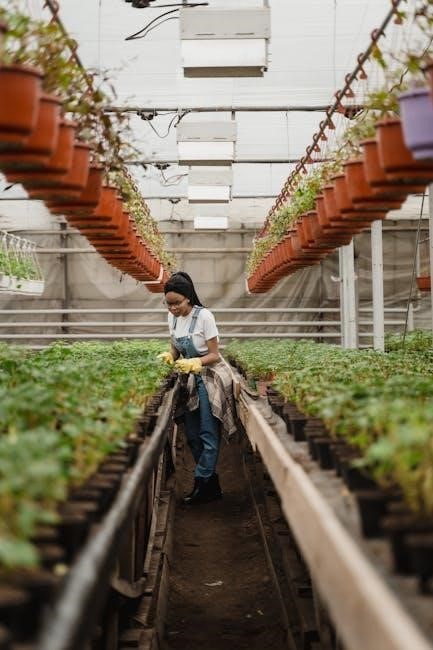
Drip irrigation delivers water directly to the plant roots, reducing evaporation and minimizing foliage wetness, which can prevent disease. Soaker hoses offer a similar benefit, providing slow, targeted watering. Overhead sprinklers are suitable for larger areas but may increase humidity.
Automated timers and moisture sensors can further enhance efficiency, delivering water only when needed. Regularly inspect your system for leaks and clogs. Collect rainwater for a sustainable and cost-effective water source;
Climate Control: Monitoring and Adjusting Conditions
Maintaining a stable climate is paramount within your greenhouse. Consistent temperature and humidity levels are crucial for healthy plant growth. Regularly monitor conditions using a thermometer and hygrometer, tracking daily fluctuations. Adjust ventilation and heating systems accordingly to maintain ideal ranges for your specific plants.
During warmer months, utilize vents and fans to prevent overheating. Shade cloth can also reduce excessive sunlight. In colder periods, employ heaters – electric, gas, or solar – to protect against frost.
Automated climate control systems offer precise regulation, responding to sensor data. Proper air circulation prevents stagnant air and disease. Remember, different plants have different needs, so tailor your climate control strategy to their requirements.